KNOW THE FACTS….Java Plum
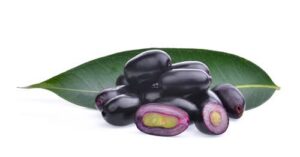
The Java plum, also known as jamun, jambolan, or Indian blackberry, is a small, dark-purple tropical fruit prized for its sweet-tart flavor and powerful health benefits. Native to the Indian subcontinent and Southeast Asia, this fast-growing evergreen tree (Syzygium cumini) produces clusters of glossy, olive-shaped berries that are popular across Asia and the Caribbean, where it is sometimes locally called wineberry or ribena.
(Note: While “wineberry” usually refers to a red, raspberry-like bramble native to East Asia, the deep purple color and winemaking uses of the Java plum often earn it the nickname “wineberry plum” in tropical regions.)
Appearance and Flavor
When ripe, Java plums turn from green to a deep, glossy purple-black and encase a single large seed.
● Unique taste. The fruit starts off sweet and juicy like a grape or blackberry before finishing with a sharp, tart, and slightly astringent tang.
● Mouth-drying effect. Natural tannins give the fruit a pleasant drying sensation on the tongue and often leave a temporary purple tint.
Health Benefits
Java plums are low in calories and packed with vitamins, minerals, and plant compounds.
● Blood sugar support. Both the fruit and its dried seeds contain natural compounds like jamboline that help slow down starch conversion and support healthy blood sugar levels.
● Rich in antioxidants. Deep purple pigments called anthocyanins, along with high levels of vitamin C, help protect cells from damage and boost the immune system.
● Digestive and heart health. Dietary fiber supports smooth digestion, while potassium and iron help maintain healthy blood pressure and circulation.
Popular Ways to Eat It
Because of its bold tanginess, people enjoy Java plums in several creative ways:
● Shaken with salt and spice. A classic street-food snack involves tossing fresh plums in a jar with a pinch of salt, sugar, or chili powder to balance the tartness.
● Drinks and wines. The juicy pulp blends easily into refreshing summer juices, smoothies, vinegar, and homemade fruit wines.
● Jams and jellies. Cooking the fruit down with sugar creates vibrant, rich preserves.