WISE OR UNWISE? Deforestation
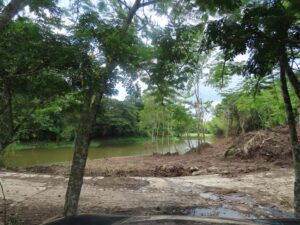 Deforestation is the removal of forests and trees to make way for other land uses, such as farming, housing, roads and businesses. It is a major environmental problem because forests provide homes for wildlife, protect the soil and help regulate the Earth’s climate. According to the Food and Agriculture Organization of the United Nations (FAO), agricultural expansion is one of the main causes of deforestation.
Causes and Effects of Deforestation
Some major causes of deforestation include cutting down trees for timber, clearing land for agriculture, mining and building new roads and settlements. Although these activities may support development, removing too many trees can have serious consequences.
Deforestation destroys the natural habitats of animals and plants, reducing biodiversity. It can also cause soil erosion because tree roots help to bind the soil together. In addition, cutting and burning trees releases stored carbon dioxide into the atmosphere, contributing to climate change. The loss of forests can also affect water cycles and increase the risk of flooding in some areas.
How Can We Reduce Deforestation?
Deforestation can be reduced by planting trees, protecting existing forests, practicing sustainable farming and avoiding unnecessary waste of paper and wood. Governments and communities can also support conservation programmes and enforce laws that protect forested areas.
In Antigua and Barbuda, protecting trees and natural vegetation is important for maintaining healthy soils, supporting wildlife and helping to protect the environment. Everyone has a role to play in conserving forests for our benefits and those of future generations.
In conclusion, forests are valuable natural resources that must be protected. By making responsible choices and supporting tree-planting and conservation efforts, we can help reduce deforestation and create a healthier environment.