PEOPLE IN AGRICULTURE Wetland Biologists
A wetland biologist is a scientist who studies plants, animals and other living organisms found in wetlands. Wetlands are areas where the land is covered with or saturated by water for part or all of the year. Examples include swamps, marshes, mangroves and other waterlogged habitats.
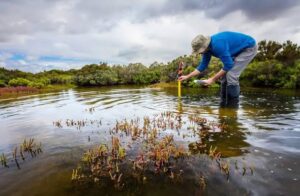
Wetland biologists study how plants and animals survive in these environments and how they interact with one another. Their work may involve collecting water and soil samples, identifying plant and animal species, monitoring water quality and observing changes in wetland habitats.
Wetland biologists play an important role in protecting the environment. Wetlands provide homes for many species of wildlife, help filter water, reduce flooding and protect coastlines from erosion. However, these habitats can be threatened by pollution, land development, climate change and the removal of vegetation.
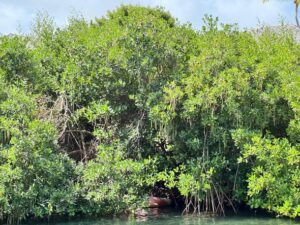
Mangroves are nurseries for many aquatic species, they provide shelter for fish and other wildlife, help hold soil in place and reduce the effects of waves and storms. Studying these environments helps scientists understand how to conserve them for future generations. In Antigua and Barbuda, wetland biologists can help protect mangroves, coastal wetlands and other important habitats.
In conclusion, wetland biologists are important because they help protect wetlands and the plants and animals that depend on them. Their research supports biodiversity, environmental conservation and the sustainable management of natural resources.