KNOW THE FACTS… Ruminants and Equines
What are Ruminants?
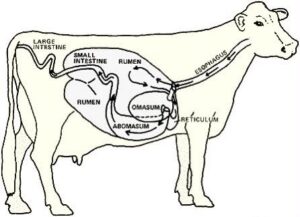
Ruminants are mammal herbivores that have a specialized, four-compartment stomach designed to ferment tough plant material before it reaches the true stomach.
● Common Examples: Cattle (cows), sheep, goats, deer, giraffes, and livestock like bison.
● The Digesting Process: Ruminants are famous for “chewing their cud.” They swallow their food quickly with very little chewing. Later, they regurgitate the partially digested food back into their mouth to chew it again.
● The Four Chambers: Their stomach consists of the rumen, reticulum, omasum, and abomasum. Microbes (bacteria and protozoa) in the rumen break down tough cellulose from grass, turning it into high-quality protein and energy for the animal.
What are Equines?
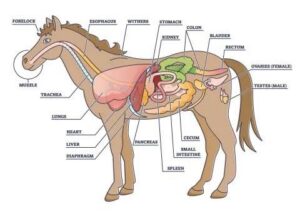
Equines belong to the horse family. Unlike ruminants, equines have a simple, single-chambered stomach, much like a human’s stomach.
● Common Examples: Donkeys, Hinnies, horses, mules, and zebras.
● The Digesting Process: Equines chew their food thoroughly just once before swallowing. Because their stomach is small, food passes through it quickly into the cecum and large colon.
● Hindgut Fermentation: The hindgut acts as a giant fermentation vat filled with microbes. This allows equines to digest fiber after the food has already passed through the stomach and small intestine.
Why the Difference Matters
Because their digestive systems are so different, their care and feeding strategies must be different too:
● Diet Quality: Horses need a steady, continuous intake of fiber throughout the day to keep their hindgut functioning smoothly and prevent painful colic. Ruminants are highly efficient at squeezing maximum nutrition out of very poor-quality forage.
● Medication and Toxicity: A drug or plant that is perfectly safe for a cow can be deadly to a horse, and vice versa, because of how their different gut microbes react.
Image Sources:
Sources: