KNOW THE FACTS… Pollinators
Presenting the 4 Bs in POLLINATION
Pollinators play an important role in agriculture and the environment. They help plants reproduce by transferring pollen from one flower to another, allowing many plants to produce fruits and seeds. Bees, butterflies, birds and bats are among the animals that help with this process. According to the United States Department of Agriculture (USDA), about 35% of the world’s food crops depend on animal pollinators. This makes them important for food production and maintaining healthy ecosystems.
Bees
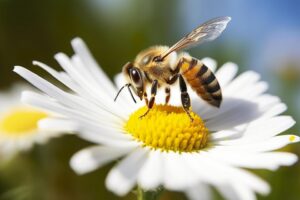
Bees are among the most important pollinators. As they move from flower to flower collecting nectar and pollen for food, pollen sticks to their bodies and is transferred to other flowers. This helps plants produce fruits and seeds.
Bees support the growth of many crops, including fruits, vegetables and nuts. They also help farmers improve crop production, making them valuable to agriculture. In addition to pollination, bees produce honey and beeswax, which are useful products for people.
Bats
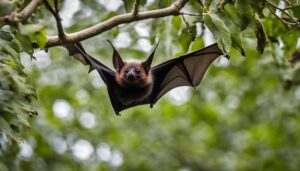
Although bats are often misunderstood, some species play an important role in pollination. Unlike bees, which are generally active during the day, nectar-feeding bats visit flowers at night. As they feed on nectar, pollen sticks to their fur and is carried to other flowers.
According to the United States Fish and Wildlife Service, more than 500 plant species worldwide rely on bats to pollinate their flowers. These include plants such as bananas, guavas and agave. Bats also help spread seeds, supporting the growth of new plants and the recovery of forests.
Butterflies
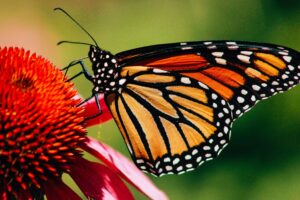
Butterflies are not only beautiful to see in gardens and fields; they also help with pollination. As butterflies feed on nectar using their long, tube-like mouthparts, pollen can stick to their bodies and be carried to other flowers.
Butterflies visit a variety of flowering plants and contribute to the reproduction of wild plants. They are also part of the food chain, providing food for other animals. Protecting butterflies helps support biodiversity and maintain a healthy environment.
Birds
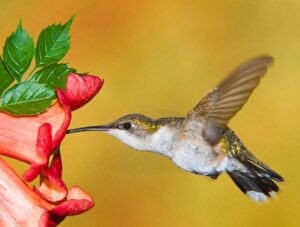
Some birds also help pollinate flowers, particularly species that feed on nectar. As they reach into flowers for nectar, pollen can stick to their beaks and feathers and be carried to other flowers.
Hummingbirds are well-known pollinators in parts of the world, while other nectar-feeding birds perform similar roles in different regions. Bird pollination helps certain plants reproduce and contributes to the diversity of natural habitats.
Protecting Our Pollinators
Bees, bats, butterflies and birds face threats such as habitat loss, pesticide use and environmental changes. When their food sources and living spaces are reduced, their ability to support plant growth can also be affected.
Everyone can help protect pollinators by planting flowering plants, protecting natural habitats, avoiding unnecessary pesticide use and learning more about the benefits of these animals. Farmers and home gardeners can also help by maintaining areas where pollinators can find food and shelter.
Sources: