KNOW THE FACTS…. Composting
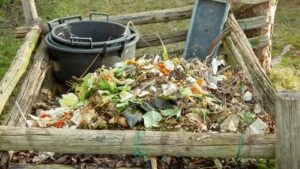 Composting is nature’s way of recycling. It is the simple, managed process of letting organic waste, like food scraps and yard trimmings, decompose into a rich, dark material called compost. Instead of throwing your kitchen scraps into the trash, you can turn them into a powerful, nutrient-rich “black gold” that feeds your plants and heals the earth.
Why Composting Matters
When we throw food scraps into a trash can, they get sent to a landfill. Sealed tightly under piles of garbage without oxygen, these scraps rot and release methane, a harmful greenhouse gas. Composting gives these materials oxygen, preventing methane and providing incredible benefits:
● Enriches the Soil: Compost adds organic matter and healthy microbes to your garden, acting as a completely natural fertilizer.
● Conserves Water: Soil mixed with compost acts like a sponge, holding onto water much longer and reducing the need for constant watering.
● Reduces Erosion: It builds strong soil structure, stopping precious topsoil from washing away during heavy rains.
A healthy compost pile relies on a balance of two main ingredients: Greens (which provide nitrogen) and Browns (which provide carbon). It is strongly advised to use two to three parts browns for every one part greens.
These are your wet, fresh materials that break down quickly:
● Fruit and vegetable scraps
● Coffee grounds and paper filters
● Eggshells
● Fresh grass clippings and green leaves
Browns
These are your dry, woody materials that create airflow in the pile:
● Dry leaves, twigs, and straw
● Shredded newspaper and plain cardboard
● Sawdust and wood chips
What to Leave Out
To keep your compost pile smelling fresh and to keep pests like mice and raccoons away, never add:
● Meat, fish, bones, or dairy products
● Fats, grease, or cooking oils
● Pet waste (dog or cat feces)
● Diseased plants or weeds with mature seeds
Sources: