Know the Facts.. Squash

 Know the Facts..
Squash
Squash belongs to the Cucurbita plant family, making it a close relative of melons, and cucumbers. Agriculturists and chefs generally divide squash into two broad categories based on when they are harvested and the nature of their skin: Summer squash and Winter squash.
● Summer Squash: Harvested early when the fruit is young, these varieties feature thin, tender, completely edible skins and a high water content. They must be eaten within days of harvesting e.g. Zucchini and Patty Pan Squash.
● Winter Squash: Harvested in late summer or fall, these squashes are allowed to mature fully until they develop a thick, tough rind. This hard outer shell allows them to be stored at room temperature for several months throughout the winter. e.g. Butternut, Spaghetti, and Pumpkins.
Popular Types of Squash
Summer Varieties
● Zucchini: The most common summer squash, zucchini is tube-shaped and typically deep green. It has a very mild flavor and tender flesh.
● Yellow Squash: Often featuring a signature straight neck, this variety has a bright yellow rind and soft flesh.
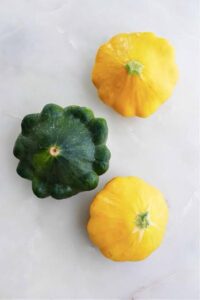
● Patty pan Squash: This squash is small and it is shaped like a toy spaceship with bumpy, wavy edges. It also has a hollow center.
Winter Varieties
● Butternut Squash: Pear-shaped with a light tan skin and vibrant orange flesh, butternut is commonly known for its sweet, rich, and starchy flavor, closely resembling a sweet potato.
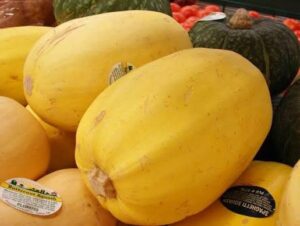
● Spaghetti Squash: This is a long, wide yellow squash. When cooked, its golden flesh pulls away into long, thin, fibrous strands that closely mimic spaghetti noodles.
Health Benefits of Squash
● Supports Eye and Vision Health: Orange and yellow squashes are packed with carotenoids like beta-carotene, lutein, and zeaxanthin. These powerful antioxidants shield your eyes from UV damage and have been linked to a reduced risk o
f age-related macular degeneration and cataracts.
● Aids Digestion and Gut Health: Squash is dense in dietary fiber, particularly prebiotic soluble fiber. Fiber helps regulate bowel movements, slows down carbohydrate absorption to prevent blood sugar spikes, and nourishes the good bacteria in your gut microbiome.
● Boosts Immune Function: High quantities of Vitamin C and Vitamin A found in squash help your body fight off infections. Vitamin C also plays a critical role in wound healing and the production of collagen, which keeps skin and joints healthy.
● Protects Cardiovascular and Bone Health: Squash is loaded with minerals like potassium and magnesium. These electrolytes manage your body’s fluid balance, lower blood pressure, and maintain a steady heart rhythm. Manganese and calcium inside the fruit simultaneously work to build bone mass and improve structural bone health
How to Prepare and Eat Squash
How you prepare a squash largely depends on whether it is a summer or winter variety.
Summer Squash Methods
Summer squash requires minimal prep work. You do not need to peel them or remove the tiny seeds.
● Sautéed or Grilled: Slice zucchini or yellow squash into coin-like shapes, toss with olive oil, salt, and pepper, and cook over high heat until lightly browned.
● Raw: Shave summer squash thinly into ribbons to add a refreshing crunch to fresh salads.
Winter Squash Methods
Dealing with hard winter rinds can be intimidating, but a few simple strategies make processing them easy. If a rind is too tough to slice through with a chef’s knife, pierce the skin multiple times with a fork and microwave the whole squash for 3 to 5 minutes to soften it up.
● Oven Roasting: Halve the squash, scoop out the internal seeds and stringy pulp, drizzle with oil, and bake at 400°F until tender.
● Soups and Purées: Varieties like butternut can be roasted, peeled, and blended with vegetable broth, garlic, and coconut milk into a smooth, comforting fall soup
Sources: