Green beans and String beans
Green beans and string beans are actually the exact same thing. They are the young, unripe pods of the common bean plant (Phaseolus vulgaris).
The Different Types of Green Beans
While they all belong to the same family, you will generally run into a few popular varieties at the grocery store or farmer’s market:
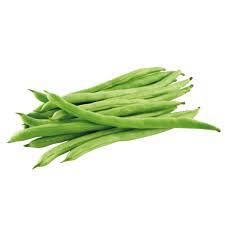
● Standard Green Beans (Snap Beans): The classic, round, plump green pods we all know.
● Haricots Verts (French Green Beans): A French variety that is longer, much thinner, and more tender than classic green beans. They cook very quickly.
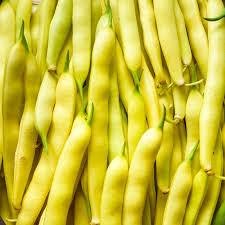
● Wax Beans: These are identical to green beans in texture and flavor, but they lack chlorophyll, giving them a bright yellow color.
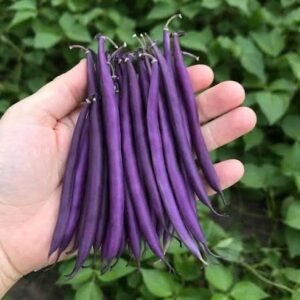
● Purple Beans: A fun variety with deep purple pods. They turn green when you cook them
Incredible Health Benefits
According to health experts and nutritional studies, here is why they are so good for you:
1. Weight & Digestion Support: One cup of raw green beans has only 31 calories and virtually zero fat, but contains around 3 grams of dietary fiber. This fiber keeps you feeling full longer and supports a healthy gut.
2. Heart Health: Green beans are naturally cholesterol-free and low in sodium. They are rich in soluble fiber and antioxidants (flavonoids), which help lower “bad” cholesterol and reduce inflammation in blood vessels.
3. Bone Strength: They are an excellent source of Vitamin K and calcium. Vitamin K is essential because it helps your body absorb calcium properly, making your bones stronger.
4. Blood Sugar Regulation: Green beans have a very low glycemic index and are low in carbohydrates, making them an ideal vegetable for managing Type 2 diabetes and avoiding blood sugar spikes.
5. Prenatal Health: They are rich in folate (Vitamin B9), a crucial nutrient for pregnant women that supports healthy fetal development.
How to Eat and Prepare Green Beans
Green beans are incredibly versatile and can be enjoyed in many ways. Before cooking, always wash them and trim off the tough stem ends.
● Steamed or Blanched: Drop them in boiling water for 3 to 5 minutes, then plunge them into ice water. This stops the cooking process, leaving them vibrant green and crisp-tender. Toss them with a bit of olive oil, lemon juice, and salt.
● Sautéed or Stir-Fried: Cook them in a skillet with a little olive oil or butter, minced garlic, and onions until they start to brown slightly.
● Roasted: Toss whole green beans in olive oil, salt, and pepper, then roast them in the oven at 400°F (200°C) for 15 minutes until they become slightly wrinkled and sweet.
While you can snap fresh green beans into salads, health educators generally recommend cooking or steaming them first. Cooking eliminates small amounts of plant compounds called lectins, which can cause minor stomach upset in sensitive people.
Sources: