Know the Facts….. What is traditional Farming
Know the Facts…..
What is traditional Farming
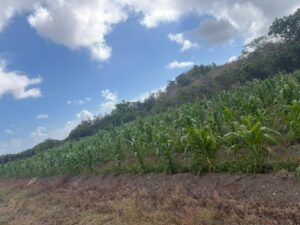
Traditional farming refers to ancestral, low-tech agricultural methods passed down through generations. It relies heavily on human or animal labor, indigenous environmental knowledge, and natural ecosystem resources rather than heavy industrial machinery, synthetic chemicals, or genetic modification.
Characteristics of Traditional Farming
Unlike industrial operations designed around maximum profit and immediate output, traditional systems focus on stability, low costs, and long-term ecological balance. They are defined by several distinct markers:
● Manual and Animal Labor: Instead of gas-guzzling equipment, traditional systems rely heavily on human hands and draft animals (like oxen or horses) to till, plant, and harvest.
● Natural Inputs: Synthetic fertilizers and chemical pesticides are substituted with natural alternatives like organic compost, animal manure, and crop rotation to preserve soil fertility and control pests naturally.
● Climate and Rainfed: Most traditional farms adapt completely to regional climate rhythms, utilizing natural seasonal rainfall rather than intensive automated irrigation.
● Biodiversity over Monoculture: Industrial farms usually grow miles of a single crop (monoculture). Traditional farms lean toward intercropping or polyculture, planting a rich mix of complementary crops together to keep the soil healthy and protect against total crop failure.
Key Varieties of Traditional Farming
1. Subsistence Farming: Small-scale cultivation where the primary objective is producing enough food to feed the farmer’s own family or local village, with very little left over for commercial markets.
2. Terracing & Contour Farming: Used in steep, mountainous regions. Farmers cut flat steps into hillsides to grow crops, capturing water flow and preventing severe soil erosion.
3. Pastoral Nomadism: Communities that survive by herding livestock (goats, sheep, or cattle), moving seasonally over vast territories to find fresh grazing pastures and water holes.
4. Shifting Cultivation: Cleared forest plots are farmed for a few seasons until the soil nutrients temporarily decline. The land is then left untouched (“fallow”) to naturally regenerate while the community moves to a new patch.
Sources: