Know the Facts…. Lettuce
Know the Facts….
Lettuce
Lettuce (Lactuca sativa) is one of the world’s most popular leafy green vegetables. It is widely used as a base for fresh salads, sandwiches, and wraps.
The Main Types of Lettuce
According to botanical classification and gardening guides, lettuce falls into four primary groups (plus specialty types):
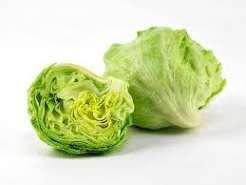
● Iceberg : This looks like a tight, pale-green ball. It doesn’t have a strong flavor, but it is incredibly crunchy and full of water.
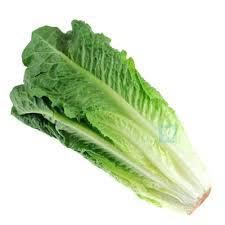
● Romaine: This grows in tall, sturdy heads with long, crisp leaves. It has a slightly earthy taste and is the famous star of the Caesar salad.
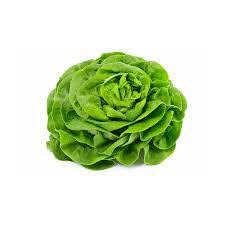
● Butterhead (Bibb or Boston): This variety has soft, velvety leaves that form a loose rosette. True to its name, it has a very mild, almost buttery texture.
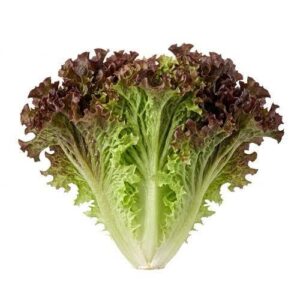
● Leaf Lettuce (Red and Green): Instead of growing into a tight head, these varieties grow as loose, ruffled bunches. The red leaf version gets its pretty color from natural antioxidants.
Why It Is Good For You
● Great for Hydration: Lettuce is about 95% water, which makes it a fantastic choice for staying hydrated, especially on a hot day.
● Vitamin Rich: Darker greens like Romaine and Leaf lettuce are loaded with Vitamin K (good for your bones) and Vitamin A (great for your eyesight).
● Digestive Support: It contains fiber, which helps keep your digestive system moving smoothly.
Lettuce in Antigua & Barbuda
Growing lettuce commercially in Antigua’s warm tropical climate can be challenging because lettuce naturally prefers cooler, temperate weather. To overcome this, local farmers and agricultural initiatives have turned to innovative methods:
● Hydroponics & Aquaponics: Local commercial and co-op producers, such as Indies Greens Organic Aquaponics Farm and Lincoln Farms, use controlled aquaponic and hydroponic systems to grow fresh crops year-round without harsh pesticides.
● Varieties Cultivated Locally: Local farms predominantly grow Romaine, Green Leaf, and Red Leaf lettuce.
Sources: