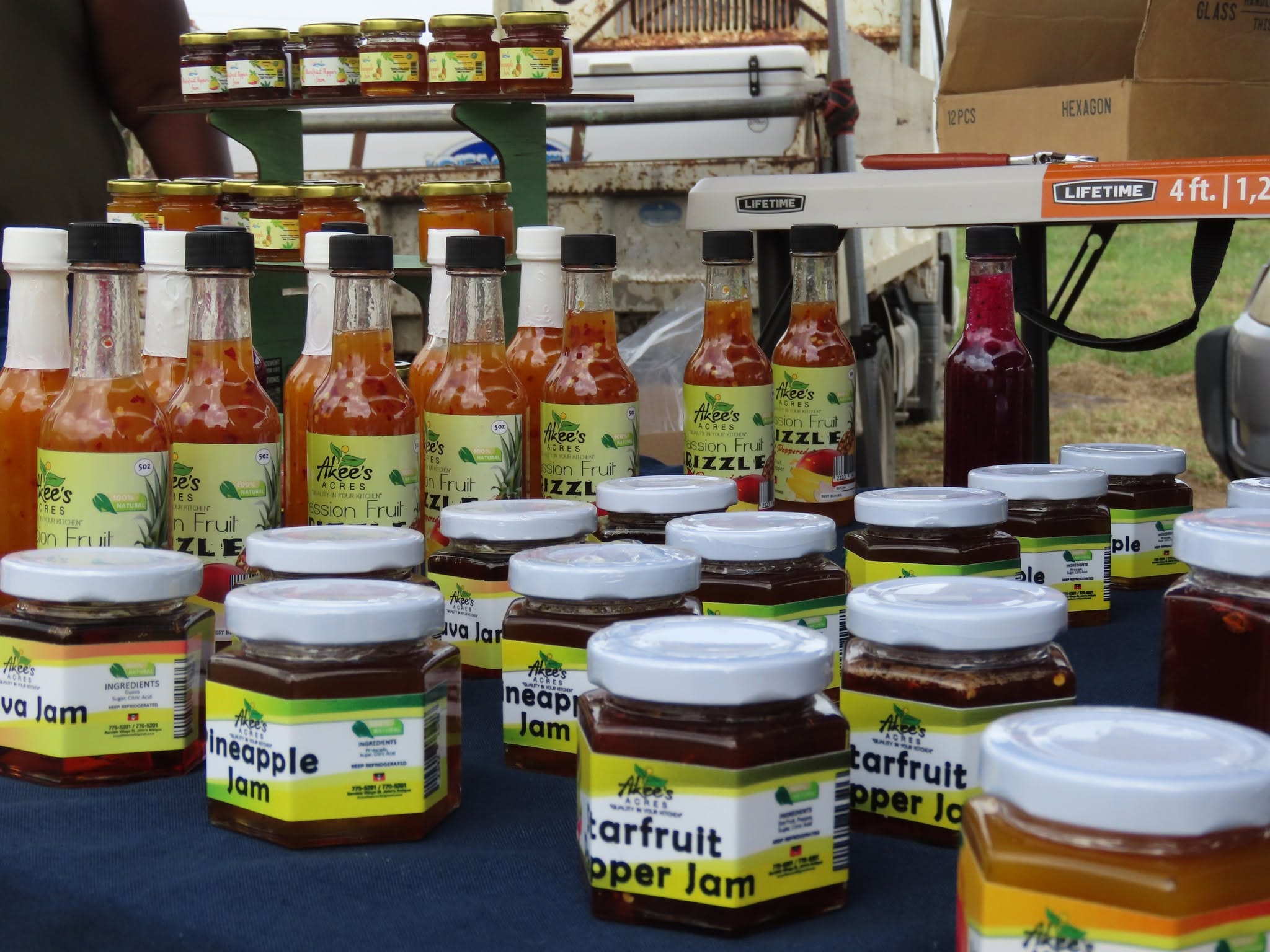
What is Agro-processing? Researched and compiled by Fiona James
Agro-processing is the method of transforming raw agricultural, forestry, and fishery materials into value-added finished goods for human use or consumption.
Agro-processing as three different stages:
(1) Primary processing, this first step prepares raw harvested crops or animal items for use or further work. It includes:
• Cleaning, washing, and grading
• Sorting and segregation
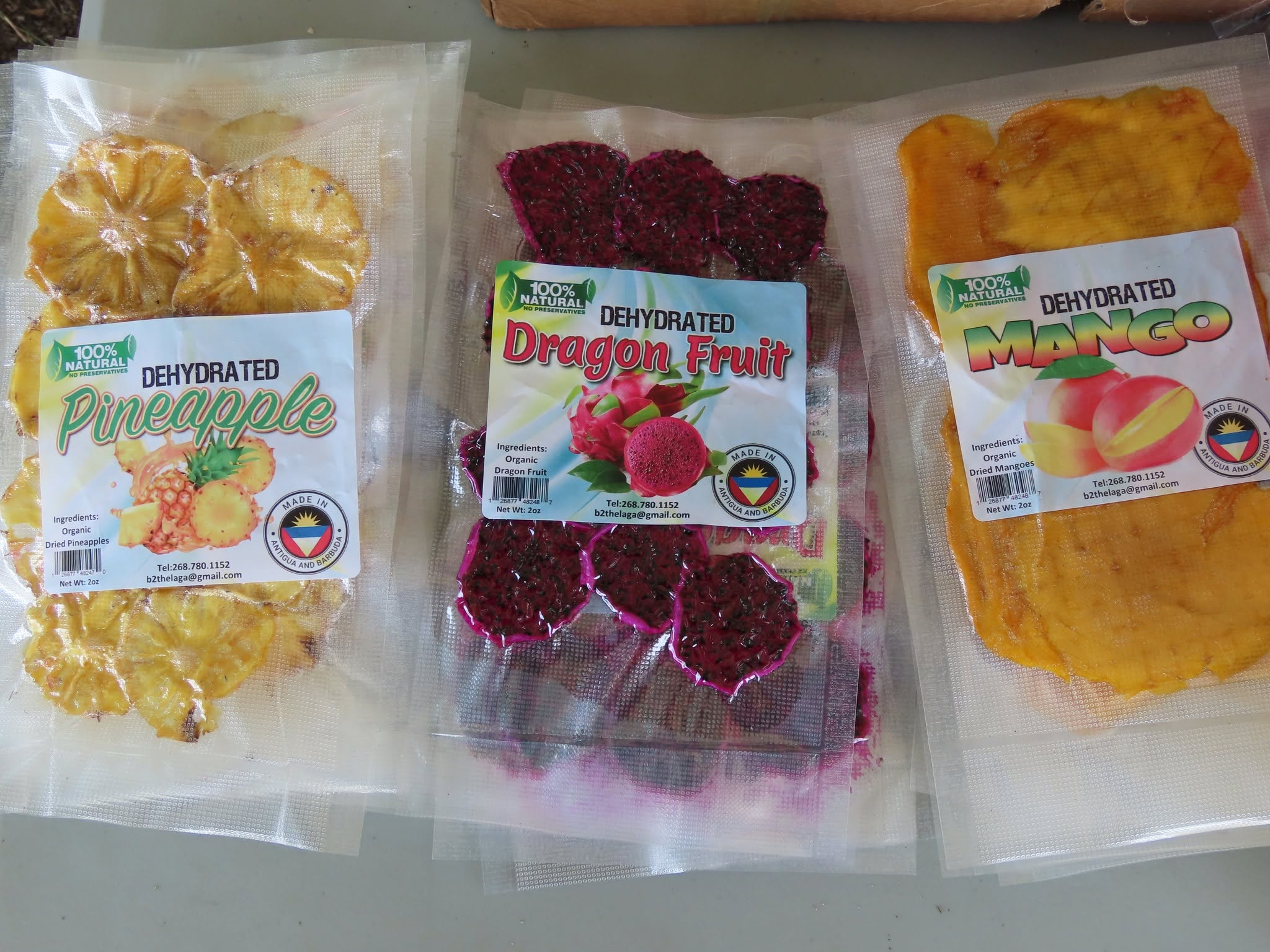
• Drying, winnowing, and threshing
Milling grain, shelling nuts, or packaging raw fresh produce.,
(2) secondary processing This middle step takes items from primary processing and changes them into new ingredients or basic foods. It includes:
• Baking bread from wheat flour
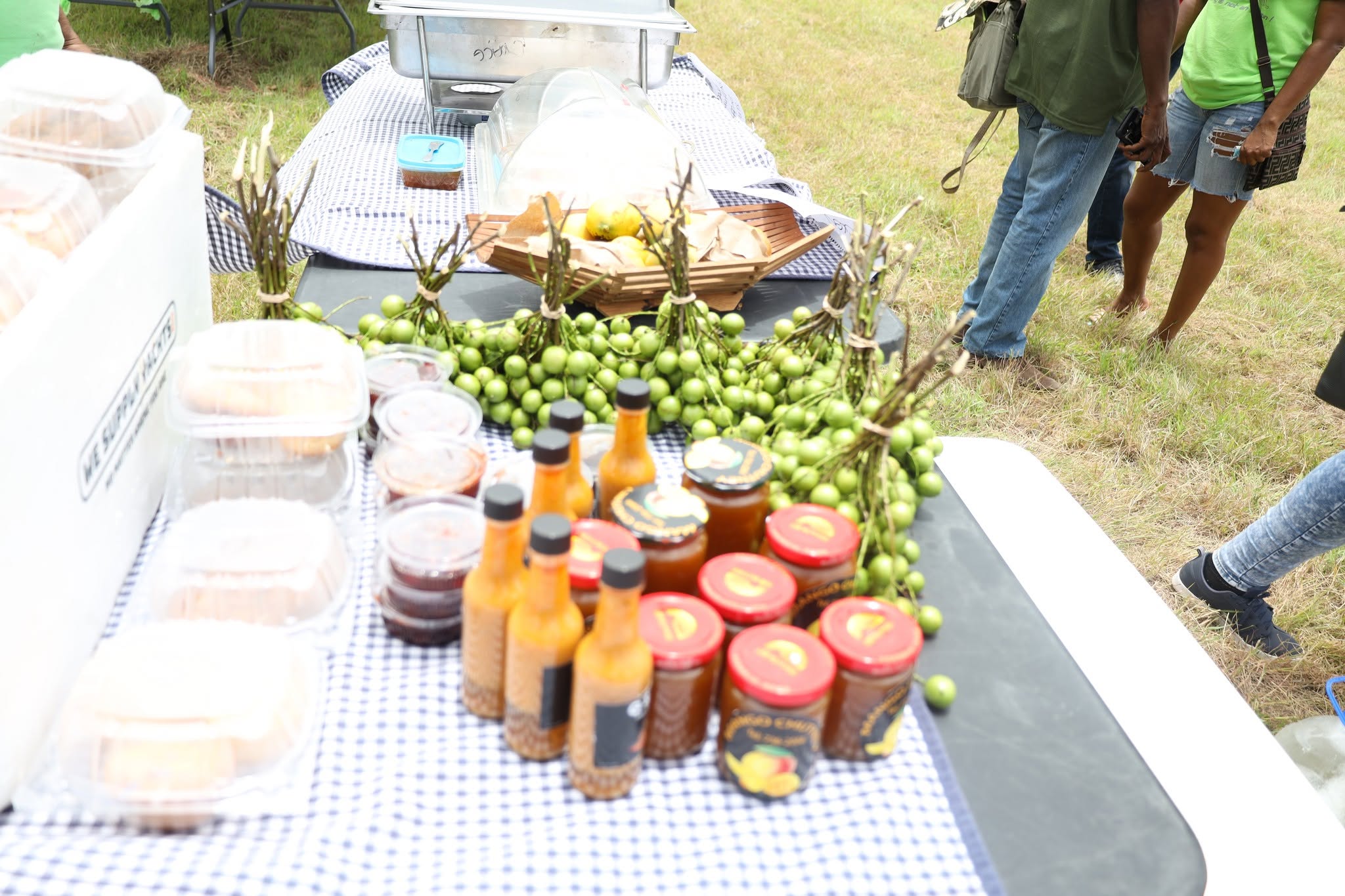
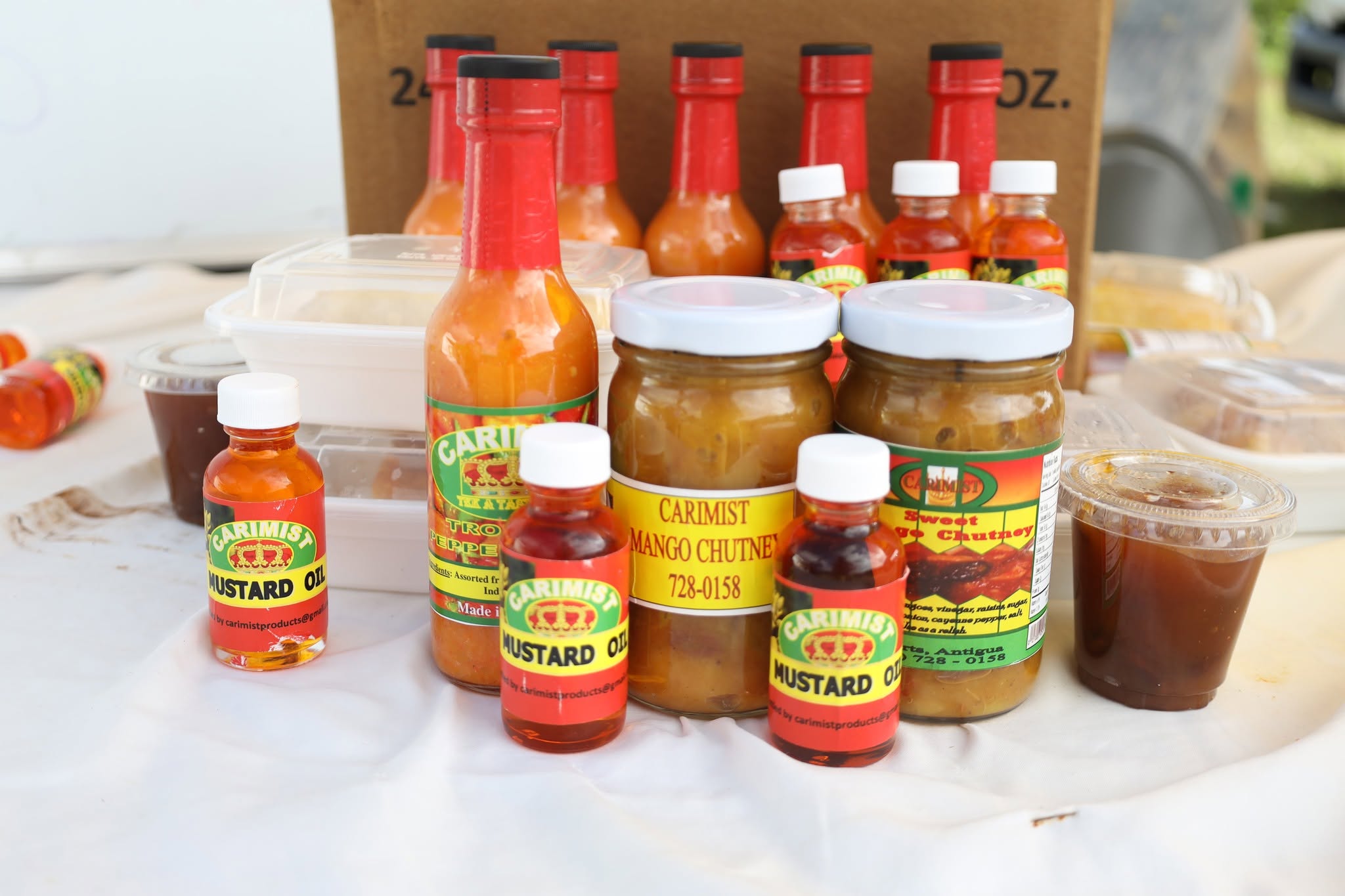
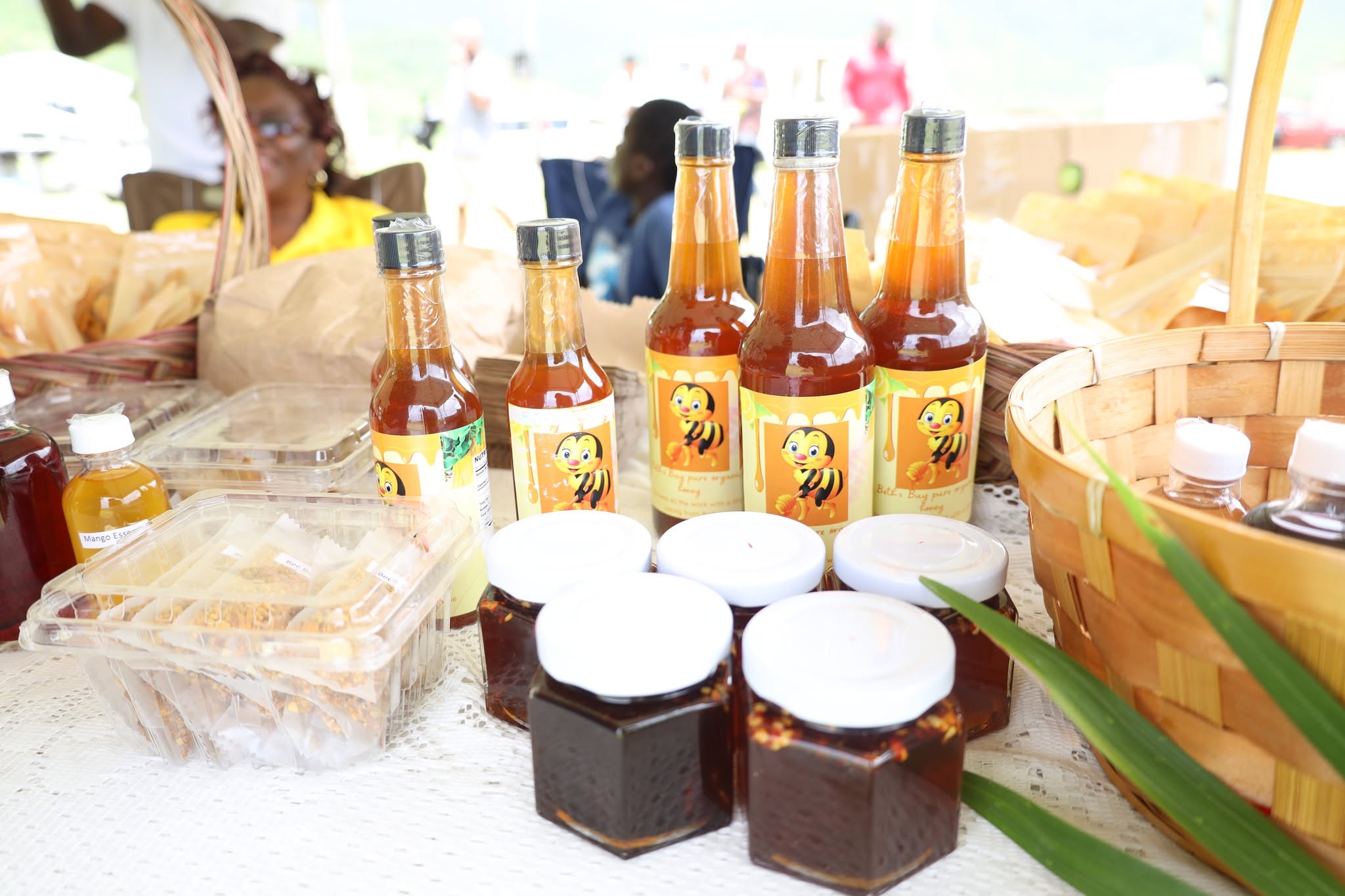
• Making juice, jams, and jellies
Producing noodles, sauces, or ready-to-cook items and
(3) Tertiary Processing This final step creates highly manufactured, market-ready, and consumer convenience goods. It includes:
• Ready-to-eat meals and heat-and-serve dishes
• Highly packaged, branded, and shelf-stable food items
• Non-food goods like refined cosmetics, nutraceuticals, or pharmaceuticals
The benefits of agro-processing.
1. Value Addition: Processed and packaged goods sell for much more than raw crops,
2. Job Creation: Factories and local packaging centers build steady jobs in rural areas for women and youth,
3. Higher Farmer Income: Stable buyers give farmers a reliable market and protect them from sudden price drops and
4. Trade Growth: Processed items travel farther and help countries export finished goods instead of raw materials.