Know the Facts….. Pigeon Peas
 Know the Facts…..
Pigeon Peas
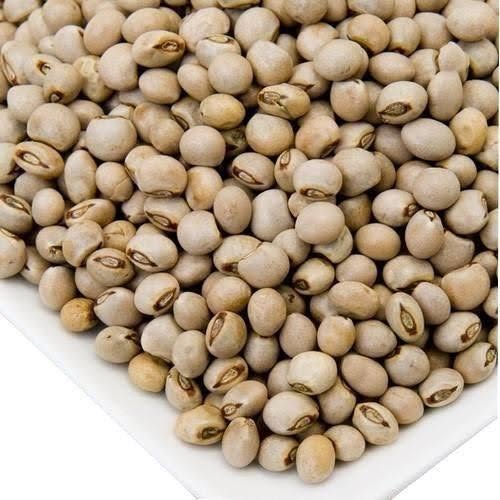
Pigeon peas are small, round beans that grow in fuzzy green pods on bushy, mini-trees. When they are fresh, the peas are bright green, but they turn golden-brown when dried. They have a rich, nutty flavor and are used just like lentils or beans Health Benefits
Pigeon peas are an incredible local superfood packed with clean nutrition:
● High Protein: A single cup of cooked pigeon peas provides a massive amount of plant-based protein, making it an excellent alternative to meat.
● Blood Health: They are incredibly rich in folate (Vitamin B9) and iron, which help your body produce healthy red blood cells and fight off fatigue or anemia.
● Digestion and Heart: They are loaded with dietary fiber, which keeps your digestion smooth, prevents blood sugar spikes, and helps flush out bad cholesterol to protect your heart.
Pigeon Peas in Antigua
● The Rice Staple: In Antigua, a classic dinner always includes a big pot of “Seasoned Rice” or “Peas and Rice.” Farmers harvest the fresh green pigeon peas heavily throughout their peak growing season to make these everyday favorite meals.
● The “Gungo” Name: While the dictionary calls them pigeon peas, if you walk into a local market in Antigua or across the Caribbean, you will often hear them called “Gungo Peas” or “Congo Peas”.
● Built for Island Droughts: Pigeon peas are a “climate-smart” crop. They have deep, powerful roots that act like drills to find water deep underground. This allows the plants to stay green and keep growing even during Antigua’s toughest dry seasons.
● Soil Helpers: Backyard gardeners love planting them because they are natural nitrogen-fixers. This means they pull nutrients out of the air and pump them back into the dirt, making the surrounding soil rich and fertile for other plants without needing store-bought chemical fertilizers.
How They Reached Antigua
Pigeon peas are not originally from the Caribbean, but they have a deeply significant history:
● The African Connection: The plant is native to India and East Africa. During the transatlantic slave trade, enslaved Africans brought the seeds with them to Antigua and the rest of the Caribbean.
● A Lifesaving Survival Crop: Because the plant is so tough and can grow in poor, dry soil where other crops die, it became a vital source of daily protein for workers on the island’s historical sugar plantations. Over hundreds of years, it evolved into an essential part of Antiguan food identity.
Source: