Ghut Sand and Coarse Sand
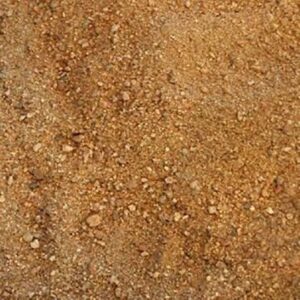 Ghut Sand and Coarse Sand
What are Ghut Sand and Coarse Sand?
● Ghut Sand: This is sand and gravel found in natural, dry ravines (called “ghuts” in the Caribbean) after heavy rain or storms wash them down the hills. Because it is naturally washed and tumbled by water, it is excellent for keeping soil loose and creating air pockets for plant roots.
● Coarse Sand: Also known as sharp sand, this is rough, gritty sand made of larger mineral pieces (like crushed granite). Unlike fine playground sand, which packs together tightly like cement and suffocates roots, coarse sand has sharp edges that keep the soil loose, allowing water to drain quickly and oxygen to reach the roots.
What Types of Plants Grow Well in These Sands?
Pure sand lacks nutrients and organic matter, meaning plants grown in a sandy medium require reliable irrigation and regular feeding (compost or organic fertilizer). However, when used as a soil amendment or primary medium, coarse and Ghut sands are ideal for specific vegetation:
● Succulents and Cacti: Aloe Vera, and various cacti thrive because sharp sand prevents any risk of waterlogged roots.
● Drought-Tolerant Herbs: Rosemary, thyme, and oregano, flourish in fast-draining, gritty conditions.
● Root Vegetables: Carrots, radishes, and potatoes develop clean, straight roots without heavy soil resistance.
● Heat-Loving Vegetables & Melons: Tomatoes, peppers, squash, and watermelons do exceptionally well when sand is blended with rich compost to balance drainage and nutrition.
● Resilient Shrubs and Flowers: Hibiscus and oleander adapt well to sharp-draining coastal and sandy soil profiles.
Agricultural Application in Antiguan Soils
● Crop Suitability: The Ministry of Agriculture, Lands, Fisheries and the Blue Economy explicitly highlights that sandy soils in Antigua and Barbuda are ideal for specific commercial crops when properly managed. Local farmers successfully utilize well-draining sandy mediums for tomatoes, peppers, squash, melons, and root vegetables like carrots.
● Combating Waterlogging: Some agricultural zones in Antigua feature heavy “sandy clay” soil. Local growers often incorporate coarse sand to “doctor” the land and build raised garden beds. This prevents waterlogging, which is a major issue during the rainy season when low-lying soil retains too much water, suffocating
roots and causing nutrient loss.