Vegan vs. Vegetarian
 Know the Facts….
Vegan vs. Vegetarian
What’s the Difference?
Vegan or vegetarian, aren’t they the same thing?
Not quite!
Both eating patterns place a strong emphasis on plant foods such as fruits, vegetables, grains, beans, peas, nuts and seeds, but the main difference is how much, or how little, animal-derived food is included.
Let’s break it down!
Vegetarian: No meat, but there are options
A vegetarian generally does not eat meat, poultry or fish.
However, vegetarian diets can take different forms. Some vegetarians eat eggs and dairy products, while others may include one but not the other. The most common type is a lacto-ovo vegetarian, who eats plant foods along with dairy products and eggs.
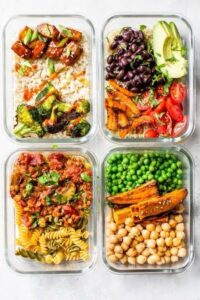
So a vegetarian plate might include:
● Fresh vegetable
● Rice and grains
● Beans and peas
● Avocado
● Fruits
● Milk or yoghurt
● Eggs
● Nuts and seeds
Vegan: Plant-based with no animal-derived foods
A vegan diet excludes all animal-derived foods, including meat, poultry, fish, eggs, milk and other dairy products. Some vegans also avoid honey.
A vegan plate could include:
● Vegetables
● Fruits
● Whole grains
● Beans and lentils
● Nuts and seeds
● Tofu and other soy foods
● Coconut-based foods
● Locally grown fruits and vegetables
So… what is the biggest difference?
Think of it this way:
Vegetarian: Plant foods + may include eggs and/or dairy, depending on the type.
Vegan: Plant foods + excludes animal-derived foods.
That’s the simplest way to remember it!
What does this have to do with agriculture?
A lot!
Whether someone chooses to eat vegetarian, vegan or simply include more plant foods in their meals, these eating patterns create opportunities to appreciate the incredible variety of crops produced by farmers.
Think about the foods that can grow right here in Antigua and Barbuda:
● Bananas and plantains
● Avocados
● Cucumbers
● Leafy vegetables
● Root crops
● Corn
● Sweet potatoes
● Coconut
● Pineapple
● Citrus fruits
● Peas and beans
These crops can become the foundation of countless meals.
Plant-based doesn’t mean boring!
A plant-focused meal can be colourful, creative and full of flavour.
Imagine a plate with local sweet potato, roasted vegetables, avocado, fresh salad and seasoned beans. Or a Caribbean-inspired dish featuring rice, peas, pumpkin and locally grown vegetables.
Plant foods give farmers opportunities to produce a wide variety of fresh ingredients while giving consumers plenty of choices.
Does vegetarian or vegan automatically mean healthy?
Not necessarily.
A vegetarian or vegan diet can be nutritionally adequate when it is varied and well planned, but simply removing meat or animal products does not automatically make a diet balanced.
People following a vegan diet need to pay particular attention to nutrients such as vitamin B12, vitamin D, calcium, iodine, selenium and iron. Fortified foods and supplements may be needed for some nutrients, particularly vitamin B12.
The key message is variety, including different types of vegetables, fruits, grains, legumes, nuts, seeds and other appropriate foods.
From the farm to the plate
Vegetarian and vegan eating patterns also remind us of the important connection between agriculture and nutrition.
Every pumpkin, cassava, avocado, cucumber, pineapple and bunch of bananas represents the work of farmers who help put food on our tables.
By learning more about the foods we grow and eat, we can better appreciate local agriculture, food diversity and the importance of a resilient food system.
So, vegan or vegetarian?
They’re not the same, but both can place plants at the centre of the plate!
Know your food. Know your farmers. Support local agriculture.
Source: Academy of Nutrition and Dietetics and NHS guidance on vegetarian and vegan eating patterns and nutritional planning.