The Creamy Fruit with Agricultural Potential!
Know the Facts…
Avocado
The Creamy Fruit with Agricultural Potential!
Smooth, creamy and packed with flavour, Avocado is one of those fruits that can turn a simple meal into something special.
Whether mashed onto bread, added to a salad, blended into a smoothie or enjoyed straight from the fruit, Avocado has become a favourite in kitchens around the world.
But did you know that Avocado is also grown right here in Antigua and Barbuda?
A fruit with a surprising identity
Avocado (Persea americana) is a tropical fruit that originated in Central America and southern Mexico. Today, it is cultivated throughout tropical and subtropical regions around the world. And although we often use avocado like a vegetable in savoury dishes, botanically speaking, it is a fruit!
From seed to tree
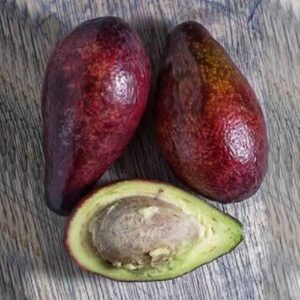
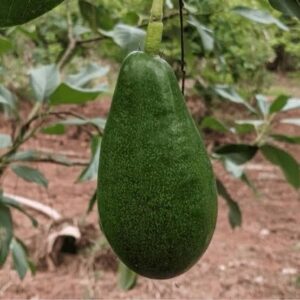
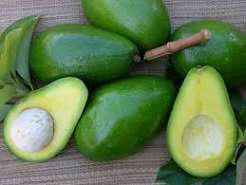
Avocado comes from a tree that can grow considerably larger than many of the fruit trees found in home gardens. Under suitable conditions, avocado trees can produce fruit for many years. The fruit itself can vary considerably in size, shape, skin colour and texture, depending on the type or variety. Some avocados have smooth green skin, while others develop darker, rougher skin as they mature.
Not all avocados are the same!
Here’s where avocado gets interesting.
There are three major horticultural groups traditionally associated with avocado:
● Mexican — Generally smaller fruits with thinner skins and varieties adapted to cooler conditions.
● Guatemalan — Often produces larger fruits with thicker, sometimes rough or warty skins.
● West Indian or Antillean — Particularly adapted to warm tropical conditions and generally produces larger fruits with smooth, leathery skins.
There are also hybrids between these groups, which combine characteristics from different types.
Avocado in Antigua
Avocado is well suited to warm tropical conditions, making it a crop that can be grown in Antigua and Barbuda. Local avocado trees can be found in home gardens, farms and other growing areas, contributing to the variety of fruits produced locally. For farmers and backyard growers, avocado represents an opportunity to make productive use of land while adding another locally grown fruit to the food supply.
Good drainage matters!
Avocado may enjoy tropical conditions, but its roots don’t like sitting in water. Good drainage is particularly important for avocado production. Poorly drained or waterlogged soils can create serious problems for the trees and increase the risk of root diseases. This is an important reminder that successful farming isn’t just about choosing the right crop, the right soil and management practices matter too.
More than just a tasty fruit
Avocado has considerable nutritional value and contains dietary fibre, protein, vitamins and minerals, while being particularly known for its fat content. Its creamy texture also makes it extremely versatile.
Avocado can be used in:
● Salads
● Sandwiches
● Dips and spreads
● Smoothies
● Soups
● Breakfast dishes
● Traditional and modern Caribbean meals
Avocado oil can also be extracted from the fruit, creating opportunities for value-added agricultural products.
A crop with economic potential
Avocado is not only popular with consumers, it has become an increasingly important tropical fruit in international markets. The Food and Agriculture Organization notes that growing demand has encouraged investment in improving avocado productivity and expanding production in producing regions. For Antigua and Barbuda, this highlights the potential of locally grown fruits to contribute to food security, farmer livelihoods and agricultural diversification.
Protecting the future of avocado
Like many crops, avocado production can be affected by changing weather patterns, water stress, pests and diseases. Climate change is already creating challenges for tropical fruit production, making resilient farming practices, good water management and proper crop care increasingly important.
From our farms to our tables
The next time you cut open an avocado, take a moment to appreciate what is behind that creamy green flesh. A single fruit represents a tree, soil, water, sunlight, pollination, farmer care and months of growth. And right here in Antigua and Barbuda, avocado is another reminder that our land can provide us with nutritious food while creating opportunities for our farmers.
Know your crops. Support local farmers. Grow local. Eat local.
Source: Food and Agriculture Organization of the United Nations (FAO), including its technical resources on avocado production, nutrition and tropical fruit agriculture.