Spinach – Small Leaves, Big Benefits!
Know the Facts…..
When you hear the word spinach, you may immediately think of a bowl of leafy greens. But this humble vegetable has a lot more to offer! Spinach is a fast-growing leafy crop that can add colour, flavour and valuable nutrients to our meals while also providing opportunities for local farmers.
What exactly is spinach?
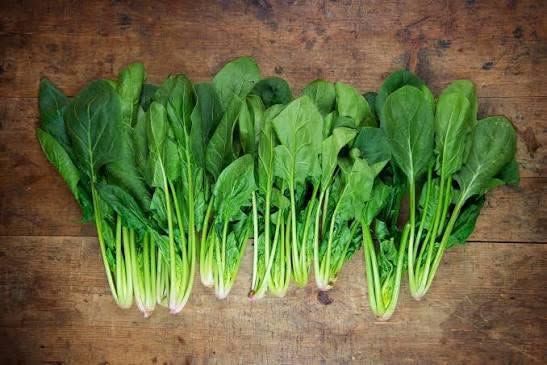
Spinach (Spinacia oleracea) is a leafy green vegetable belonging to the amaranth family, Amaranthaceae. It is believed to have originated in ancient Persia and eventually spread to different parts of the world.
Unlike root crops, where the main edible part develops underground, spinach is grown primarily for its tender leaves and stems.
There are several types and varieties of spinach, and they can differ in leaf shape, texture, colour, and growing conditions:
● Savoy spinach – Has dark green, crinkled or wrinkled leaves. It has a tender texture and is commonly used fresh or cooked.
● Flat-leaf spinach – Has smooth, broad leaves that are easier to clean. It is widely used in salads, soups and cooked dishes.
● Semi-savoy spinach – A cross between savoy and flat-leaf types, with slightly crinkled leaves that are easier to clean than traditional savoy spinach.
● Baby spinach – Harvested when the leaves are young and tender. It is popular in salads, sandwiches and smoothies.
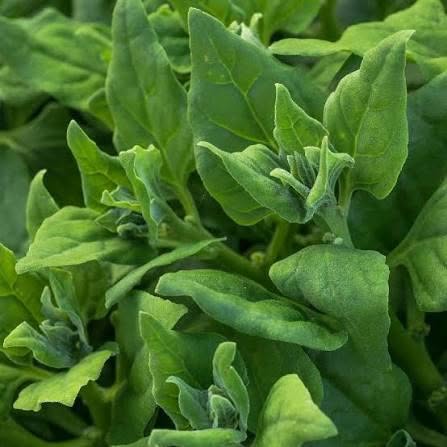
● New Zealand spinach – Despite its name, it is not true spinach. It is a different plant that tolerates warm conditions better and can be used similarly to spinach.
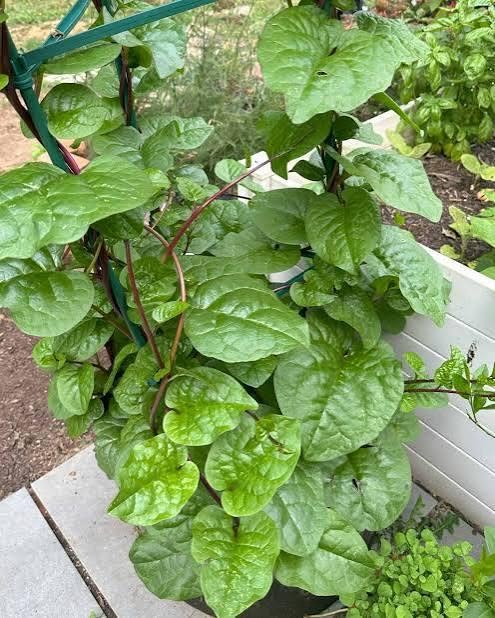
● Malabar spinach – Also not true spinach. It is a tropical leafy vine (Basella alba or Basella rubra) that grows well in warm climates and is particularly interesting for Caribbean agriculture.
For Antigua and Barbuda-focused, New Zealand spinach and Malabar spinach would be especially interesting to mention because they are heat-tolerant alternatives to traditional spinach, which generally prefers cooler growing conditions.
A leafy green packed with nutrients
Spinach is naturally rich in several important nutrients, including:
● Vitamin A – supports normal vision and immune function.
● Vitamin C – helps support the immune system and assists with iron absorption.
● Vitamin K – plays an important role in normal blood clotting and bone health.
● Folate – important for normal cell division and growth.
● Iron – contributes to the production of haemoglobin, which carries oxygen around the body.
Spinach also contains fibre and a variety of naturally occurring plant compounds.
Fresh, local and versatile
Spinach can be enjoyed in many different ways. Add it to soups, stews, omelettes, sandwiches, salads, smoothies or cooked vegetable dishes. Young leaves can be eaten raw, while mature leaves are often cooked.
And here’s something interesting: cooking spinach can significantly reduce its volume, meaning that a large handful of fresh leaves can become a much smaller portion once cooked!
Spinach and agriculture
Leafy vegetables such as spinach can contribute to a diversified agricultural sector by giving farmers another crop option for supplying fresh produce to consumers. Producing vegetables locally can also support food security by increasing the availability of fresh foods within our communities.
For farmers, successful vegetable production depends on factors such as suitable soil, adequate water, proper crop management and pest and disease monitoring.
Did you know?
Spinach is grown and eaten around the world, but it is not the only leafy green with nutritional value. Across the Caribbean, we have a wide variety of leafy vegetables that form part of our food culture and agricultural heritage.
From the farm to your plate
The next time you see a bunch of fresh spinach, don’t underestimate those little green leaves! From supporting local farmers to adding nutrients and versatility to our meals, spinach proves that sometimes the smallest leaves can make a big difference.
Support local agriculture. Buy local. Eat fresh. Grow local.
Source: United States Department of Agriculture (USDA) Agricultural Research Service, Food and Agriculture Organization of the United Nations (FAO), and Encyclopaedia Britannica.