Small Bulbs, Big Flavour!
Know the Facts
Onions
Small Bulbs, Big Flavour!
From a pot of pepperpot to a Sunday lunch, fried rice, soups, stews, salads and sauces, onions are one of those ingredients that seem to find their way into almost everything! But beyond adding flavour to our favourite dishes, onions are an important crop with a fascinating variety of shapes, colours and uses.
What exactly is an Onion?
The onion (Allium cepa) is a bulb vegetable belonging to the Amaryllis family (Amaryllidaceae). The familiar bulb develops underground as the plant stores nutrients in its fleshy leaf bases.
And here’s a fun fact: the part we call the “bulb” isn’t technically a root, it’s made up mainly of swollen leaf bases!
Not all onions are the same!
Walk through a market and you may notice onions ranging from white and yellow to red and even sweet varieties. Some are sharp and pungent, while others have a milder, sweeter flavour.
Here are some common types found around the world:
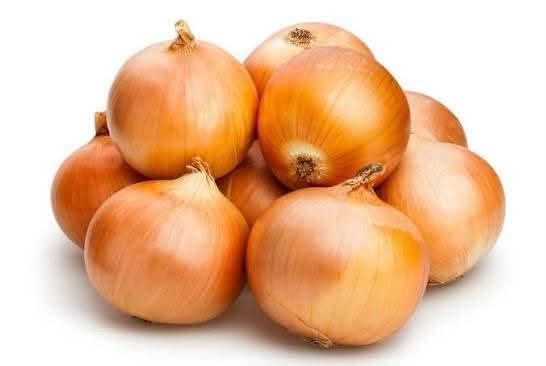
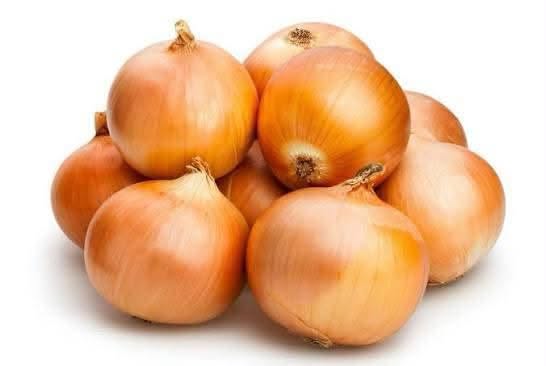
● Yellow onions – One of the most widely used types. They have a balanced, savoury flavour and are excellent for cooking.
● White onions – Generally have a crisp texture and a sharper, cleaner flavour. They can be used both raw and cooked.
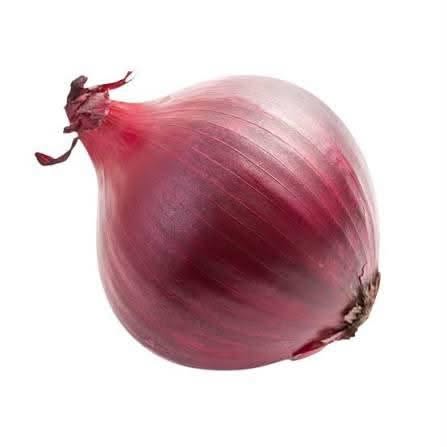
● Red onions – Recognized by their purple-red outer skin and colourful flesh. They are often eaten raw in salads, sandwiches, salsas and pickles.
● Sweet onions – Have a milder, sweeter taste and are often enjoyed raw or lightly cooked.
● Green onions – Also called scallions or spring onions. They are harvested before a large bulb fully develops and both the green leaves and white base can be eaten.
Did you know?
The variety of onion and the conditions in which it is grown can influence its flavour, size, colour and storage qualities. Even the same type of onion can taste different depending on how and where it is grown!
Onions in Antigua and Barbuda
Onions are also part of Antigua and Barbuda’s local vegetable production. Farmers grow onions locally, including varieties suited to our tropical conditions and market demands.
Among the types grown locally are red, white and yellow onions, giving consumers different choices while providing farmers with opportunities to diversify vegetable production.
Local onion production is especially valuable because onions are a staple ingredient in many households. Increasing local production can contribute to food security, agricultural diversification and greater availability of locally grown produce.
Growing onions takes know-how
Producing a good onion crop requires careful attention to planting material, soil preparation, water management, weed control, pests and diseases. Onions also need appropriate conditions for bulb development, making the selection of varieties important for farmers.
Once harvested, proper curing and storage are also important. Curing allows the outer layers of the onion to dry and form a protective layer, helping to improve storage life.
From the farm to the frying pan
Whether you’re chopping a yellow onion for a stew, slicing a red onion for a fresh salad, adding green onions to a dish or caramelizing sweet onions, this humble bulb has earned its place in kitchens around the world, including right here in Antigua and Barbuda.
So the next time you reach for an onion, remember: you’re holding a crop that comes in many colours, varieties and flavours, while also representing an opportunity for local farmers and our agricultural sector.
Choose local when you can. Support our farmers. Grow local. Eat local.
Source: Food and Agriculture Organization of the United Nations (FAO), United States Department of Agriculture (USDA), and agricultural information from the Ministry of Agriculture, Lands, Fisheries and the Blue Economy, Antigua and Barbuda.