More Than Just Oranges and Limes!
 Know the Facts..
Citrus Fruits
More Than Just Oranges and Limes!
Sweet, sour, juicy, tangy and refreshing, Citrus fruits bring colour, flavour and agricultural value to our farms and our tables.
But how well do we really know the citrus growing around us?
In Antigua and Barbuda, citrus has long been part of our agricultural landscape. Limes, lemons, oranges, grapefruit and tangerines are among the citrus fruits associated with local production and backyard trees.
Let’s take a closer look at some of the citrus family and discover what makes each one different!
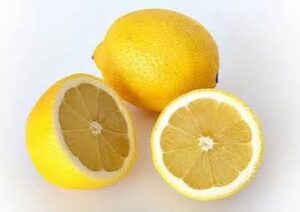
Lemon (Bright, sharp and unmistakable)
Lemons are usually yellow when mature and are known for their strong, acidic flavour and distinctive aroma. They are commonly used in drinks, cooking, baking, marinades, sauces and desserts. In Antigua, lemon has also been recorded as a traditional plant used locally, demonstrating its longstanding connection with households and food culture.
The difference: Compared with lime, lemon is generally larger and has a yellow peel when mature, with a slightly different aroma and flavour profile.
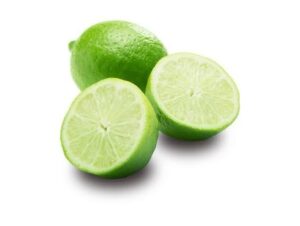
Lime (Small fruit, big flavour!)
The lime may be small, but it certainly makes its presence known! Limes are typically smaller than lemons, with a strong, acidic and aromatic flavour. They are widely used in Caribbean cooking, drinks, marinades, sauces and desserts. Antigua and Barbuda has a long association with lime production and use, and limes are specifically identified among the citrus grown locally.
The difference: Lime is generally smaller and more intensely aromatic than lemon, although both are acidic citrus fruits.
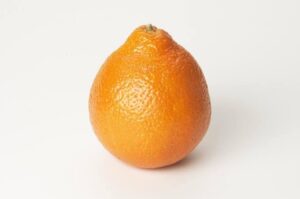
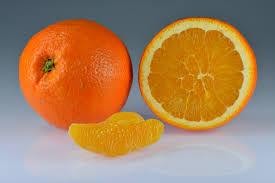
Orange (Sweet, juicy and versatile)
When many people hear “citrus,” orange is probably the first fruit that comes to mind! Sweet oranges are generally round, juicy and sweet, making them popular for eating fresh and for producing juice. They also contain vitamin C and can be used in cooking, baking, beverages and preserves.
The difference: Unlike lemons and limes, sweet oranges are generally much less acidic and have a naturally sweet flavour.
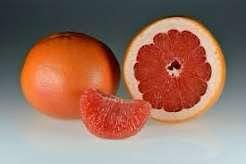
Grapefruit (Big, juicy and slightly bitter)
Grapefruit is larger than an orange and is known for its distinctive sweet-and-tart flavour with a characteristic bitterness. Its flesh can range from pale yellow to pinkish or reddish depending on the variety. Grapefruit has also been part of Antigua’s citrus story. The Ministry has previously highlighted grapefruit among citrus traditionally grown in local backyards.
The difference: Grapefruit is generally smaller than a shaddock and has a more pronounced bitter-tart flavour.
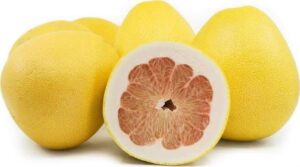
Shaddock (The giant of the citrus family!)
Have you ever eaten a Shaddock?
Also known internationally as the Pomelo, shaddock is one of the largest citrus fruits. It can be considerably larger than an orange or grapefruit and has a very thick rind.
The flesh can be white, pale yellow, pink or reddish depending on the variety. Its flavour is generally milder and sweeter than grapefruit, although some varieties can have a pleasantly tart taste.
And here’s an interesting fact: the shaddock is considered one of the ancestral citrus species involved in the development of grapefruit. Grapefruit arose from a natural cross between shaddock and sweet orange.
The difference: Shaddock is usually much larger, has a thicker rind, larger fruit segments and a milder flavour than grapefruit.
So if you’ve ever wondered why grapefruit and shaddock can look somewhat alike, now you know!
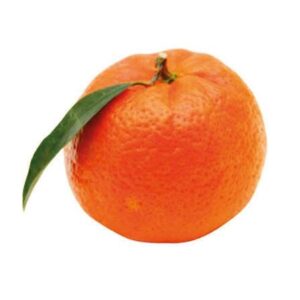
Tangerine (Easy to peel and wonderfully fragrant)
Tangerines are generally smaller than oranges, with a loose peel that makes them relatively easy to remove. They are known for their sweet flavour and fragrant aroma. Tangerines have also been identified among the citrus traditionally grown in Antigua and Barbuda.
The difference: Compared with most oranges, tangerines are usually smaller, easier to peel and have a particularly aromatic flavour.
Mandarin (The citrus group behind many familiar small oranges)
“Mandarin” is a broader citrus group that includes several types of small, usually easy-to-peel fruits. Tangerines are commonly considered part of the mandarin group. Mandarins are generally known for their sweet flavour, strong aroma and loose skin.
The difference: Mandarin refers to a broader group, while “tangerine” is commonly used for particular types within that group.
Rough lemon (An important citrus name in Antigua)
Here’s a fact particularly relevant to Antigua’s agriculture. Rough lemon is not simply another name for the regular lemons we buy at the market. It is a distinct citrus type that is particularly important in local agricultural discussions. According to Antigua and Barbuda’s Agricultural Health and Food Safety Policy Implementation Plan, rough lemon is currently the prevalent citrus variety remaining following major losses associated with citrus greening disease.
Rough lemon is also important in citrus production because certain lemon types can be used as rootstocks, onto which desirable citrus varieties may be grafted.
Why are there so many different citrus fruits?
Here’s where citrus gets really interesting! The citrus family has a complicated history involving natural hybridisation and cultivated hybrids. This means that some citrus fruits we enjoy today have ancestry involving more than one citrus species. That’s why the citrus family includes not only oranges, lemons, limes and grapefruit, but also mandarins, pomelos and numerous hybrids.
Citrus in Antigua: a crop with a challenge
Citrus is an important part of Antigua and Barbuda’s agricultural heritage, but local production has faced a major challenge: citrus greening disease, also known as Huanglongbing (HLB). The Ministry has reported that citrus greening has affected citrus plants across both Antigua and Barbuda, resulting in significant losses of citrus trees and reduced local production. This makes citrus health, proper planting material, monitoring and farmer education especially important for the future of the crop.
From the backyard to the farm
Citrus fruits offer much more than something tasty to eat.
They can provide opportunities for:
● Fresh juices and beverages
● Cooking and marinades
● Jams and preserves
● Baking and desserts
● Zest and flavouring
● Citrus-derived oils and other value-added products
The Ministry has also highlighted the potential uses of citrus peels, including culinary applications and essential oils.
One family, many flavours
So, are lime, lemon, orange, grapefruit and tangerine all the same?
Definitely not!
They may belong to the same citrus family, but each has its own size, colour, flavour, acidity, aroma, uses and growing characteristics.
And right here in Antigua and Barbuda, these fruits form part of an agricultural story worth knowing, and protecting.
From the sharpness of a lime to the sweetness of an orange, the tang of a grapefruit to the fragrance of a tangerine, citrus proves that one family can offer an incredible variety of flavours!
Know your crops. Protect our agriculture. Support local farmers.