Ginger A Little Spice with a Big Story!
Know the Facts
Ginger
A Little Spice with a Big Story!
That warm, spicy aroma in your ginger tea, the kick in your ginger beer, or the flavour in your favourite stew may all come from one remarkable crop: Ginger!
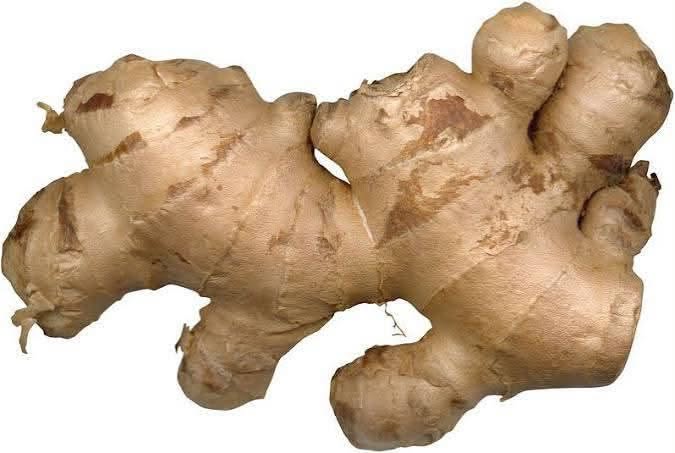
Ginger (Zingiber officinale) is a tropical plant cultivated for its underground rhizome, commonly called the ginger “root.” Interestingly, it isn’t actually a root; it is a modified underground stem that stores nutrients for the plant.
From the Caribbean kitchen to farms around the world, ginger has earned its place as one of the most versatile spice crops.
Ginger comes in different varieties
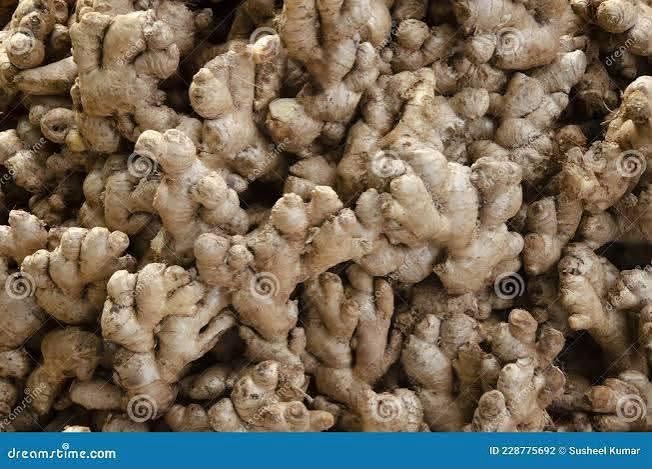
Although the ginger commonly seen in supermarkets may look similar, there are many cultivars and types grown around the world. Some are selected for their size, flavour, fibre content, oil content or suitability for particular growing conditions.
Some examples include:
● Common ginger – The familiar culinary ginger (Zingiber officinale) used fresh, dried, powdered and in beverages.
● Hawaiian ginger – Known for producing high-quality rhizomes and is an important commercial crop in Hawaii.
● Indian ginger varieties – India produces numerous cultivars, including varieties developed for characteristics such as yield, quality and resistance to certain pests and diseases. Examples include IISR Mahima and IISR Rejatha.
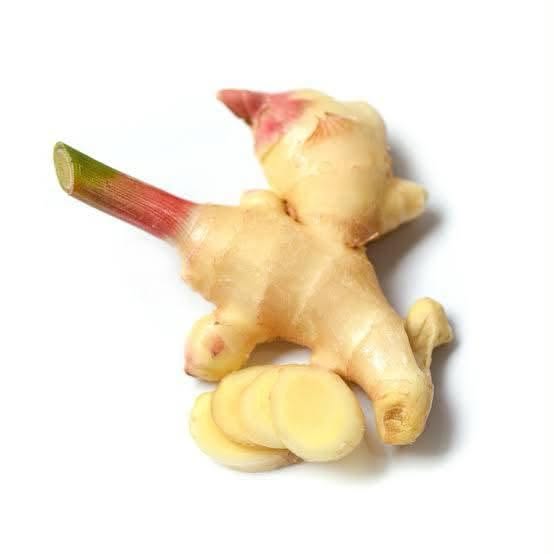
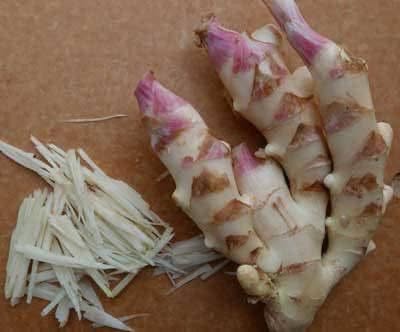
● Young ginger – Harvested earlier while the rhizomes are tender and less fibrous. It has a milder flavour and is often used for pickling, preserves and other culinary preparations.
● Mature ginger – Allowed to develop longer, producing firmer, more fibrous rhizomes with the stronger flavour commonly associated with dried or fresh mature ginger.
● And here’s something interesting: ginger varieties can even differ in the colour of their flesh. While creamy or pale yellow flesh is common, some cultivars can show a bluish ring when cut across the rhizome.
Ginger has roots in Antigua’s agricultural story
Ginger isn’t a new crop to Antigua and Barbuda. Historical records from the Government of Antigua and Barbuda note that ginger was among the crops cultivated by early settlers for both export and subsistence.
In more recent times, efforts have also been made to encourage local ginger production. In 2017, the Support for Women in Agriculture for Increased Production and Productivity in Partnership with Youths (SWAP) initiative distributed ginger planting material to participants, with harvesting expected the following year.
This highlights an important point: ginger is not simply something we import and consume, it has a place within Antigua and Barbuda’s agricultural history and local production efforts.
Why does ginger matter to agriculture?
Ginger can be used fresh, dried or processed into products such as:
● Ginger tea
● Ginger beverages
● Baked goods
● Sauces and marinades
● Candies and preserves
● Dried ginger powder
● Ginger-based products and flavourings
Its versatility creates opportunities beyond simply selling fresh rhizomes, including value-added agricultural products that can provide additional opportunities for farmers and small businesses.
A crop suited to the tropics
Ginger is a tropical crop that thrives under warm, moist conditions. It is generally grown as an annual crop even though the plant itself is perennial. The rhizomes develop beneath the soil and are harvested when the leafy tops begin to mature and wither.
For Antigua and Barbuda, water availability remains an important consideration for agricultural production. Building a resilient local food system therefore includes making effective use of available water resources and selecting crops and production practices suited to our conditions.
From our history to our future
Ginger shows us that agriculture is not just about what is growing in the field today. It is also about the crops that have shaped our history, the farmers who continue to produce them, and the opportunities we can create for the next generation.
So the next time you add ginger to your tea, stew or favourite recipe, remember: that little piece of ginger carries a big agricultural story!
Support local agriculture. Buy local. Eat local. Grow local.
Sources: Government of Antigua and Barbuda; United States Department of Agriculture (USDA) Agricultural Marketing Service and Agricultural Research Service; and the Food and Agriculture Organization of the United Nations (FAO).