Carrots – More Than Just a Crunch!
Know the Facts
Carrots – More Than Just a Crunch!
When you think of carrots, you might picture the familiar bright orange vegetable found in salads, soups, stews, or simply enjoyed as a crunchy snack. But did you know that carrots come in several colours and that this humble root crop has an important role to play in agriculture and nutrition?
A root with a story
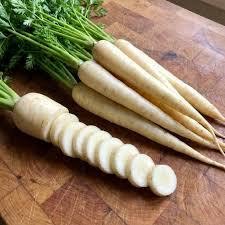
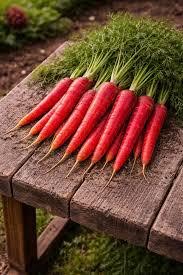
Carrots (Daucus carota) are root vegetables belonging to the Apiaceae family, the same family as celery, parsley, and coriander. Although orange carrots are the most familiar, carrots can also be found in purple, yellow, red and white varieties. Their colours come from different natural plant pigments.
Why are carrots orange?
The orange colour of most carrots comes from beta-carotene, a natural pigment that the body can convert into vitamin A. Vitamin A supports normal vision, immune function and healthy skin.
Carrots come in different colours
Not all carrots look alike! Depending on the variety, carrots may be:
● Orange – rich in beta-carotene and the most commonly recognized type.
● Purple – contains anthocyanins, natural pigments also found in foods such as purple cabbage and berries.
● Yellow – contains yellow pigments called xanthophylls.
● White – have a milder appearance and can have a slightly different flavour from orange varieties.
● Red – may contain pigments such as lycopene, depending on the variety.
Carrots and local agriculture
Carrots are a useful crop for farmers because they can be incorporated into vegetable production systems and provide another option for supplying fresh produce to local markets. Growing more vegetables locally can help strengthen food security, support farmers and increase the availability of nutritious foods.
For consumers, choosing locally grown carrots when available also helps keep money within the agricultural economy and supports the hardworking farmers who produce our food.
From farm to table
Carrots are incredibly versatile. They can be eaten raw, steamed, boiled, roasted, added to soups and stews, blended into juices or incorporated into a variety of dishes. Their natural sweetness becomes even more noticeable when they are cooked.
Did you know?
The leafy green tops of carrots are also edible when properly prepared! While they are not as
commonly eaten as the root, carrot tops can be used in dishes such as pesto, sauces and salads.
A small crop with big potential
Carrots may seem like an ordinary vegetable, but they represent much more than something colourful on your plate. They are a nutritious root crop, a versatile ingredient and an opportunity for farmers to contribute to a stronger and more diverse agricultural sector.
So the next time you reach for a carrot, remember: behind that simple crunch is a crop with colour, nutrition and agricultural value!
Support local agriculture. Grow local Buy local. Eat fresh.
Source: United States Department of Agriculture (USDA), Agricultural Research Service (ARS), and Food and Agriculture Organization of the United Nations (FAO).