ApiCaribe is promoting sustainable solutions to control the parasite threatening honey production
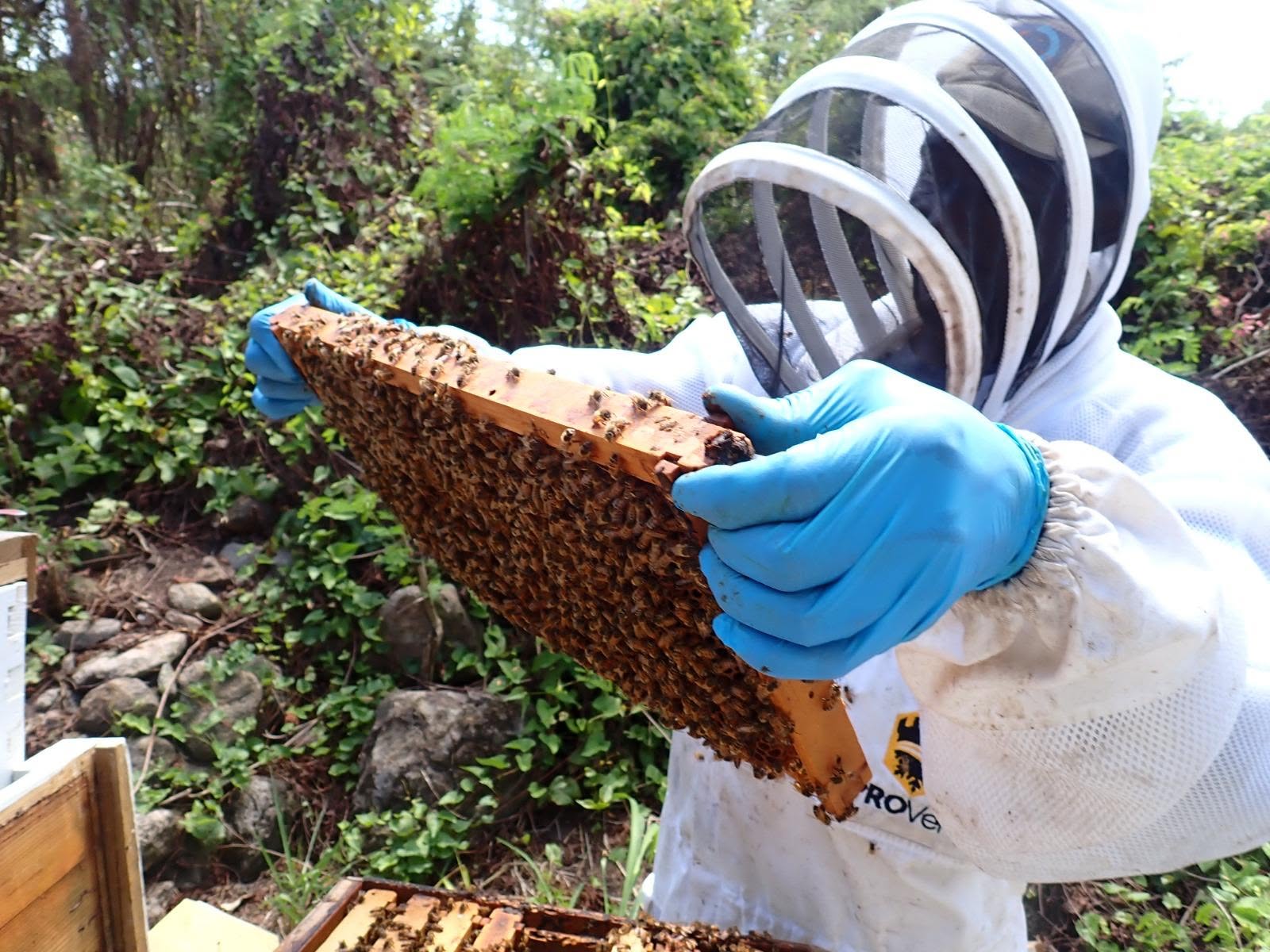
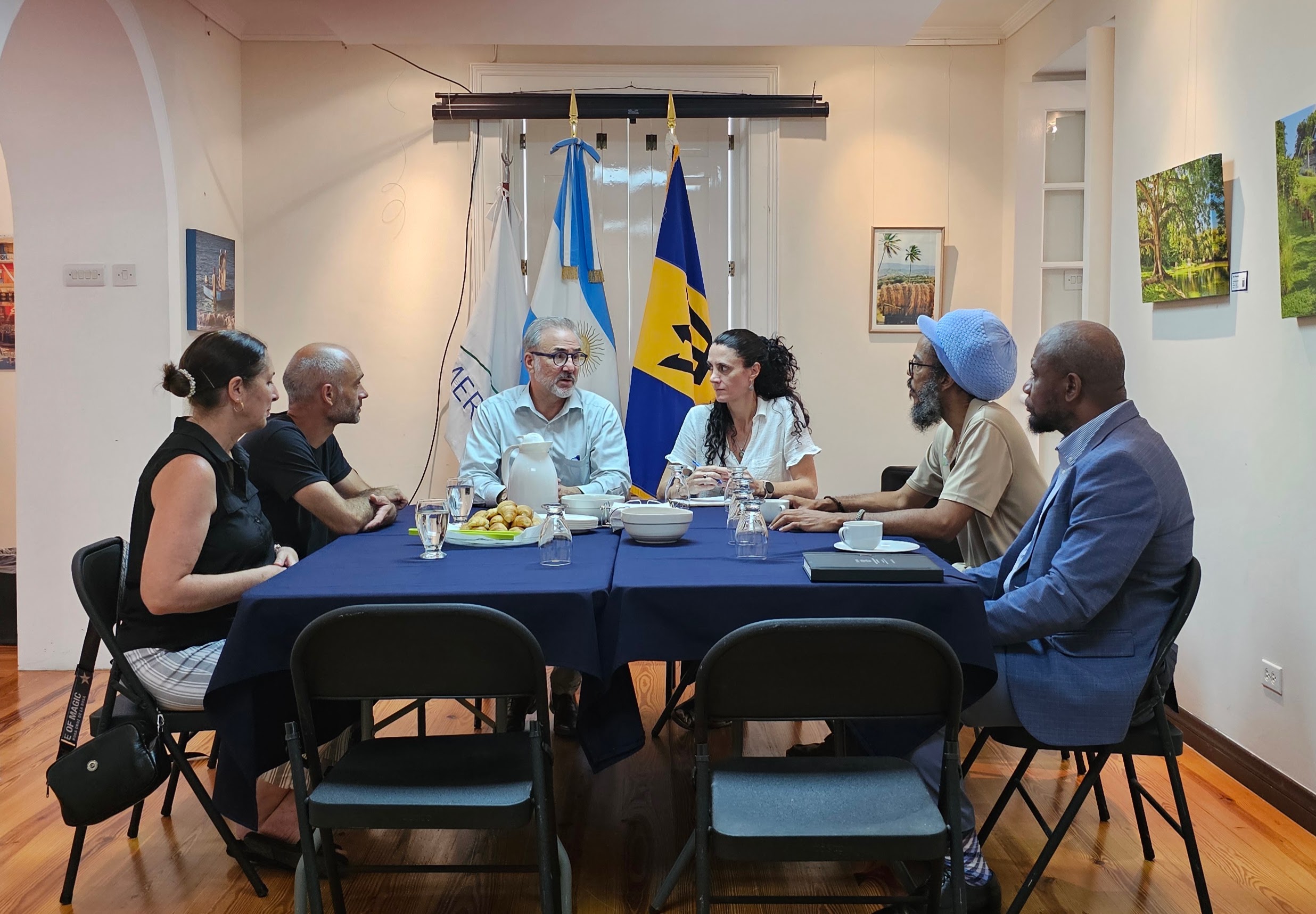 ApiCaribe is promoting sustainable solutions to control the parasite threatening honey production
This joint cooperation initiative between IICA, Argentina, and various Caribbean countries has demonstrated the efficiency of an organic treatment to control the Varroa mite – a parasite that affects bees.
San José, 25 September 2026 (IICA) – A triangular cooperation agreement spearheaded by the Inter-American Institute for Cooperation on Agriculture (IICA), the Government of the Republic of Argentina, and various Caribbean countries has been instrumental in proving the efficacy of an organic treatment to control the Varroa mite – one of the main parasites affecting honeybees.
Over the last decade, IICA has worked with beekeeping organizations, technical organizations, and governments to further the development of sustainable beekeeping industries in the Caribbean.
As part of this effort, from March to May 2026, the ApiCaribe project conducted trials in Antigua and Barbuda, The Bahamas, Barbados, Belize, Saint Kitts and Nevis, Saint Vincent and the Grenadines, and Saint Lucia over a thirteen-week period, in a bid to determine the efficacy of Aluén CAP. Aluén CAP is an organic product developed by the Argentinian beekeeping cooperative Cooperativa de Trabajo Apícola Pampero Limitada (CAP) to treat the Varroa mite.
The trials, which were undertaken in fourteen apiaries in these seven countries, were overseen by IICA, experienced beekeepers, and a technical expert designated by CAP.
The overall results showed that with proper application Aluén CAP could eliminate the mite in the apiaries that were evaluated. These results are extremely promising for the countries, offering them an alternative treatment that can assist in controlling the parasite and that, as shown by the tests, is also compatible with environmentally friendly production.
The use of this organic input, among others, enables producers to strengthen their sustainable production practices and improve marketing opportunities for their beekeeping products based on compliance with sound environmental principles and practices.
Following the success of this initiative, Caribbean countries now have greater awareness of the impact of Varroa mites on bee colonies in the region and have access to an appropriate, sustainable, and non-toxic treatment option.
The results of the project will also make it possible to continue working to identify the most appropriate times of year to apply the treatment, with the aim of enhancing its effectiveness. IICA and Argentina have expressed their willingness to continue supporting countries in this process.
This initiative builds on a history of South-South cooperation between Argentina and IICA in the Caribbean, aimed at enhancing the agriculture sector’s productive capacity and improving rural life in the region’s small island states.
Coordinated by the IICA Delegation in Barbados, the ApiCaribe project was launched by means of a memorandum of understanding signed by Argentina and IICA in 2009, with the aim of developing beekeeping as an integrated agricultural practice. Specifically, the project seeks to promote scientific beekeeping and the improvement of crop productivity through pollination, while increasing the income and well-being of farmers and society as a whole.
About IICA
IICA is the specialized agency for agriculture in the Inter-American system, with a mission to encourage, promote and support its 34 Member States in their efforts to achieve agricultural development and rural well-being through international technical cooperation of excellence.
More information:
Institutional Communication Division.
comunicacion.institucional@iica.int
Press release online: https://iica.int/…/apicaribe-is-promoting-sustainable…/