Know The Facts Cassava
 Know The Facts
Cassava
The Root with Deep Caribbean Roots
What if one of the crops growing quietly beneath our soil could tell a story stretching back thousands of years?
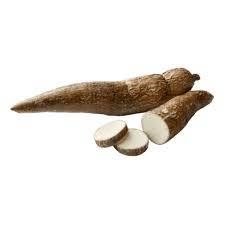
Meet Cassava, a tropical root crop that has been part of food and farming traditions in the Caribbean for generations. Scientifically known as Manihot esculenta, cassava originated in the Americas and was cultivated by Indigenous peoples of the Caribbean and northern South America long before European arrival. Over time, it spread from the Americas to other tropical regions around the world.
More Than Just a Root
Cassava is a fascinating crop because what we see above the ground is only part of the story. Its underground roots can be harvested and prepared in several ways, while cassava can also be processed into products such as flour and starch. In different parts of the Caribbean, cassava has traditionally been used to make foods including cassava bread and other traditional dishes.
Its versatility also extends beyond the kitchen. Cassava can be used as an ingredient in animal feed and has potential for value-added products, making it a crop with importance for both food and agricultural development.
Cassava Grown Right Here in Antigua
Cassava is not just a crop we read about in textbooks. Several varieties are grown in Antigua, reflecting the diversity of cassava cultivated locally.
According to information shared through the Ministry of Agriculture following a Sweet Potato/Cassava Workshop, varieties documented in Antigua include:
● Sugarloaf
● Butter Stick
● Punt Stick
● Real Stick
● Blue Stick
● Maracas Black Stick
● Pickne Moma
● Guyana Sweet
● Greenstick
Different cassava varieties can vary in characteristics such as root shape, colour, taste, cooking qualities and suitability for particular uses.
A Crop That Can Handle the Heat
One reason cassava has become important across tropical regions is its ability to grow under conditions where some other crops may struggle. It can tolerate periods of drought and can adapt to relatively poor soils, although good management, suitable planting material and proper soil fertility are still important for achieving good production.
That makes cassava particularly interesting as we look at crops that can contribute to food security and climate-resilient agriculture.
Sweet or Bitter? There’s a Difference!
Here is a cassava fact many people may not know: cassava varieties are broadly described as sweet or bitter types based largely on their cyanogenic compound content.
This is important because cassava must be properly prepared before consumption. Some varieties contain higher levels of naturally occurring cyanogenic compounds and require appropriate processing to make them safe to eat.
So, cassava is not simply a matter of digging up the root and eating it!
Why Cassava Matters to Agriculture
Cassava has qualities that make it valuable to small-scale farming systems. It can provide food, support farmer income and serve as a raw material for different products. Its ability to grow in challenging tropical environments also gives it a role in strengthening agricultural resilience.
For Antigua and Barbuda, crops such as cassava remind us that food security begins with understanding, protecting and making the most of the crops we can grow right here at home.
From traditional foods to new opportunities for value-added products, cassava has plenty of potential beneath the surface.
So the next time you see cassava growing, remember: there is much more to this humble root than meets the eye!
Sources: FAO research on cassava in Latin America and the Caribbean, and information published by Antigua and Barbuda’s Ministry of Agriculture.