Watermelon, Cantaloupe, Honeydew… are they all the same?
Know the Facts
Watermelon, Cantaloupe, Honeydew… are they all the same?
When someone says “Melon,” what comes to mind?
➢ a juicy watermelon?
➢ a sweet cantaloupe?
➢ a cool, refreshing honeydew?
Here’s the interesting part:
they may all be called melons, but they aren’t all the same! And across the Caribbean, different islands may use different names for the same type of melon. Let’s take a closer look!
What exactly is a Melon?
“Melon” is a common name used for several different fruits in the gourd family, Cucurbitaceae.
The family also includes crops such as:
● Cucumber
● Pumpkin
● Squash
● Watermelon
● muskmelon
Most of the familiar sweet melons, including cantaloupe and honeydew, belong to the species Cucumis melo.
But watermelon belongs to a different species:
Citrullus lanatus
So while we commonly group them together as “melons,” watermelon and cantaloupe are botanically different crops.
Meet the Watermelon
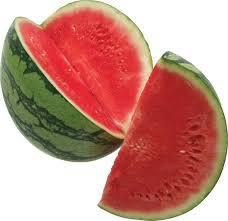
Watermelon = Citrullus lanatus
This is probably the melon most familiar to Caribbean consumers.
Watermelons are known for their:
● juicy flesh
● sweet flavour
● sprawling vines
● green rinds
● red flesh in many varieties
But watermelon doesn’t always have red flesh!
Depending on the variety, the flesh can also be:
● Yellow
● Orange
● white
And some modern varieties are seedless.
Across the Caribbean
Watermelon has several regional names, particularly in Spanish- and French-speaking parts of the Caribbean.
 Antigua & Barbuda → watermelon
 Bahamas → watermelon
 Trinidad & Tobago → watermelon
 Saint Lucia → watermelon
 Puerto Rico → sandía / patilla
 Dominican Republic → sandía / patilla
 Haiti → melon d’eau
The Smithsonian’s West Indies botanical records document these regional names.
Meet the Cantaloupe
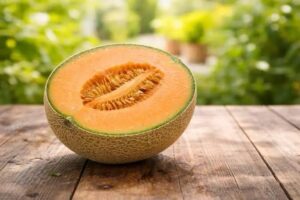
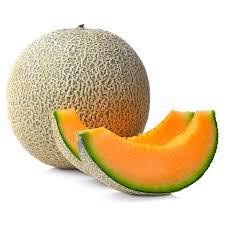
Cantaloupe — Cucumis melo
Cantaloupe is part of the broader muskmelon group.
It is commonly recognized by:
● orange flesh
● netted or textured rind
● sweet, distinctive aroma
● soft, juicy flesh when ripe
But not every Cucumis melo variety looks like the typical orange-fleshed cantaloupe.
There is enormous diversity within this species, with differences in:
● skin colour
● flesh colour
● Size
● Shape
● Sweetness
● texture
FAO’s crop database lists cantaloupe, muskmelon, melon, rockmelon and sweet melon among the common names associated with Cucumis melo.
Meet the Honeydew
Honeydew = Cucumis melo
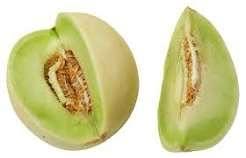
Honeydew is another type of melon within Cucumis melo.
It is commonly recognized by its:
● or pale-yellow smooth rind
● green or sometimes orange flesh
● sweet flavour
● juicy texture
Honeydew belongs to the Inodorus group, which also includes other winter or storage melons.
Meet the Muskmelon.
Muskmelon is a group of sweet, aromatic melons that belong to the species Cucumis melo, which is in the cucumber/gourd family (Cucurbitaceae).
What does muskmelon look like?
Muskmelons can vary quite a bit, but many have:
● A round or oval shape
● A netted, rough or smooth rind
● orange, green, yellow or white flesh, depending on the type
● A sweet, fragrant aroma
● A central cavity containing seeds
Is Muskmelon the same as Cantaloupe?
Not exactly. This is where the terminology can get confusing.
Muskmelon is the broader term, while cantaloupe is a particular type of muskmelon.
So:
● Muskmelon = broader group
● Cantaloupe = one type/group of muskmelon
However, in everyday speech, especially in markets and supermarkets, “muskmelon” and “cantaloupe” are sometimes used as if they mean the same thing.
That’s why two melons can look almost identical but technically be different types or cultivars.
But there are many more!
The world of melons goes far beyond watermelon, cantaloupe and honeydew.
Some types include:
● Casaba
Usually has a yellowish or greenish rind and pale flesh. Casaba melons are known for their sweetness and relatively good storage ability.
● Canary melon
Known for its bright yellow rind and sweet, pale flesh.
● Crenshaw
A large, sweet melon with a distinctive flavour.
● Galia
A popular specialty melon with a netted rind and aromatic flesh.
● Persian melon
Generally has a netted rind and sweet, aromatic flesh.
● Piel de sapo
Also known as “Santa Claus melon” in some markets. It typically has a green, mottled rind and sweet flesh.
● Charentais
A French-type melon, usually smaller and highly aromatic.
Scientific classifications of Cucumis melo recognize numerous cultivar groups, including Inodorus, Reticulatus, Cantalupensis and others.
Melons in the Caribbean
Melons have an important place in Caribbean fruit and vegetable production. A Caribbean regional standard lists watermelon and melon/honeydew among fruits and vegetables recognized in the region. And agricultural trials across the Caribbean continue to explore different melon varieties.
For example, Saint Lucia’s Department of Agriculture conducted trials involving eight watermelon varieties, seven cantaloupe varieties and honeydew varieties as part of efforts to improve fruit and vegetable production and reduce dependence on imported food.
That tells us something important:
Melon production isn’t just about having more varieties — variety selection can help farmers find crops suited to local conditions and markets.
What are Melons called around the Caribbean?
Unlike guinep, which has dramatically different names across many islands, “melon” and “watermelon” are generally understood across much of the English-speaking Caribbean.
However, Spanish- and French-speaking Caribbean territories have additional names.
Watermelon
Antigua & Barbuda → watermelon Jamaica → watermelon
 Barbados → watermelon Trinidad & Tobago → watermelon Saint Lucia → watermelon
 Grenada → watermelon
 St. Kitts & Nevis → watermelon
 St. Vincent & the Grenadines → watermelon
 Dominica → watermelon Bahamas → watermelon Puerto Rico → sandía / patilla Dominican Republic → sandía / patilla Haiti → melon d’eau
The Smithsonian’s West Indies records specifically document sandía and patilla in Puerto Rico and the Dominican Republic, melon d’eau in Haiti, and watermelon in the Bahamas.
melon / cantaloupe
Across English-speaking Caribbean countries, melon, cantaloupe, honeydew and muskmelon are commonly used names, while Spanish- and French-speaking territories may use terms such as melón and melon.
So just like many Caribbean crops:
one region, many languages, many names!
Why are Melons important to agriculture?
Melons aren’t just refreshing fruits. They can contribute to several parts of the agricultural sector.
1. They create opportunities for farmers
Watermelon, cantaloupe and other melons can provide farmers with short-cycle fruit crops that can be sold through:
● farmers’ markets
● Supermarkets
● hotels and restaurants
● juice and beverage businesses
● local vendors
Cucumis melo can reach harvest in approximately 50–120 days, depending on the variety and growing conditions. That relatively short production period can make melons useful within vegetable and fruit production systems.
2. They support food security
Growing more locally produced fruits helps diversify the food supply.
Instead of depending entirely on imported fruit, farmers can produce crops such as:
● Watermelon
● Cantaloupe
● honeydew
for local consumers. This can contribute to food availability and agricultural resilience.
3. They can help reduce the food import bill
This is particularly important for Caribbean countries.
Saint Lucia’s Department of Agriculture, for example, has used trials of new watermelon, cantaloupe and honeydew varieties as part of a broader effort to improve production and reduce the food import bill.
For Caribbean agriculture, producing more suitable fruits locally can therefore contribute to greater domestic production.
4. Different varieties give farmers more options
Not every melon performs the same way.
Different varieties can differ in:
● water requirements
● temperature tolerance
● pest and disease response
● fruit size
● Sweetness
● maturity period
● shelf life
● consumer demand
Saint Lucia’s melon trials specifically noted that introducing new varieties could potentially increase yields and pest and disease tolerance.
5. Melons can add value to agriculture
Melons can be sold as fresh produce, but they can also be used in:
● Juices
● Beverages
● fruit salads
● frozen products
● Desserts
● mixed fruit products
This creates opportunities beyond simply selling the whole fruit.
6. Melons can diversify farm production
Farmers can use melons as part of diversified production systems alongside other crops. That means a farm doesn’t necessarily have to depend on just one crop.
more crops + more varieties = more agricultural diversity.
But growing Melons isn’t always easy!
Melons can be affected by:
● excessive rainfall
● high humidity
● fungal and other diseases
● insect pests
● poor soil conditions
● water management problems
FAO’s Ecocrop information notes that watermelon generally performs well during sunny and relatively dry periods, while excessive rainfall and high humidity can contribute to problems such as excessive vegetative growth, reduced flowering and disease or fruit rot. This is why good agricultural practices, appropriate varieties and proper crop management are important.
Another fun fact!
Some watermelons can get huge!
Historical Caribbean agricultural records describe watermelon varieties producing fruits weighing 35 pounds under certain growing conditions.
That’s more than 15 kilograms for one watermelon!
Of course, fruit size depends heavily on the variety and growing conditions.
Sources: Food and Agriculture Organization of the United Nations (FAO); FAOSTAT; Smithsonian National Museum of Natural History, Flora of the West Indies; Government of Saint Lucia, Department of Agriculture; and Caribbean regional agricultural standards.