KNOW THE FACTS.. Yam
 The yam is a vital global crop, celebrated for its rich history, cultural importance, and incredible nutritional value. While often confused with the sweet potato in North America, true yams are entirely distinct, deeply rooted in the agricultural traditions of West Africa, Asia, and the Caribbean.
Yams vs. Sweet Potatoes
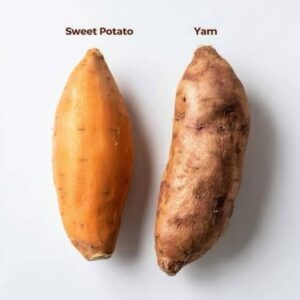
In many supermarkets, orange-fleshed sweet potatoes are mistakenly labeled as yams. However, true yams are a completely different vegetable:
● Botanical Difference: Yams belong to the genus Dioscorea and are monocots (related to lilies and grasses). Sweet potatoes belong to the morning glory family and are dicots.
● Appearance: Yams have a rough, scaly, bark-like skin that is difficult to peel. Their flesh can range from white and yellow to deep purple. Sweet potatoes have smooth skin and a tapered shape.
● Texture and Taste: Yams are starchy, dry, and earthy, closely resembling a potato. Sweet potatoes are moist and distinctly sweet.
The Plant Profile
● Scientific Identity: Known under the genus Dioscorea. They are underground tubers that grow from vigorous, climbing vines.
● White and Yellow Yams: The most widely cultivated varieties in West Africa, known for their dense, starchy texture. They are the primary ingredients used to make fufu, a staple pounded dough.
● Purple Yam (Ube): Native to Southeast Asia, this variety is famous for its vibrant purple color and mildly sweet, nutty flavor. It is a wildly popular ingredient in Filipino desserts like cakes, ice creams, and pastries.
● Elephant Foot Yam: A massive, tropical variety grown in Asia and Africa, named for its heavy, wrinkled appearance.
Health and Nutritional Benefits
● Complex Carbohydrates: High in fiber and complex carbs, yams digest slowly, providing a steady release of energy without spiking blood sugar levels.
● Potassium and Manganese: Packed with potassium, which supports healthy blood pressure and heart function, and manganese, which aids bone metabolism.
● Diosgenin Content: Yams contain diosgenin, a plant compound that scientists study for its potential to improve brain function, regulate cholesterol, and ease symptoms related to hormonal imbalances.
● Vitamin C and B6: Supports a robust immune system and helps the body convert food into usable cellular energy.
Picture Source: