KNOW THE FACTS… Celery
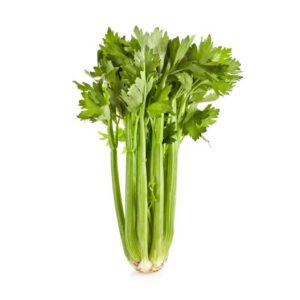 Celery is widely known in the culinary world and it is prized for its refreshing crunch, low-calorie profile, and essential role as a flavor builder. While often dismissed as just a diet snack or a garnish, this stalk actually serves as a foundational ingredient in soups, stews, and sauces across global cuisines.
The Plant Profile
• Scientific Identity: Known scientifically as Apium graveolens. It belongs to the Apiaceae family, making it a close relative of carrots, parsley, fennel, and parsnips.
• The Aromatic Base: Celery is a core component of “mirepoix” (French) and the “holy trinity” (Cajun), classic flavor bases made of diced celery, onions, and carrots or bell peppers that give depth to almost every major soup, stock, and stew.
• Stalk Celery: The most common variety sold in bunches, loved for its high water content and crunchy texture.
• Celeriac (Celery Root): A variety grown specifically for its large, knobby, underground root. It tastes like a mix of celery and potato and is delicious when mashed or roasted.
• Celery Seeds: Tiny, intensely flavored seeds harvested from the plant’s flowers, widely used as a spice or ground with salt to create celery salt.
Health and Nutritional Benefits
● High Hydration: Celery is roughly 95% water, making it an excellent vegetable for staying hydrated and supporting healthy digestion.
● Antioxidants and Apigenin: Contains powerful plant compounds, including apigenin, which have been studied for their anti-inflammatory benefits and potential to support heart health.
● Vitamin K: Provides a significant dose of Vitamin K per serving, which is crucial for bone health and proper blood clotting.
● Dietary Fiber: Supports a healthy gut microbiome and aids in smooth digestion.
Picture Source: