KNOW THE FACTS….. Tomato
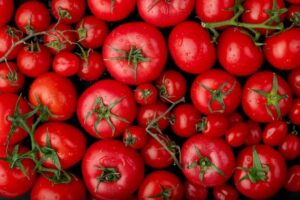
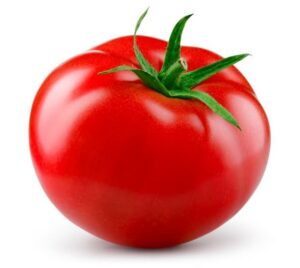
The tomato is one of the world’s most versatile, widely consumed, and culinary essential ingredients. Though scientifically classified as a fruit, it is treated as a vegetable in kitchens across the globe. From rich Italian pasta sauces and fresh Mexican salsas to the simple slice on a burger, tomatoes form the backbone of global cuisine.
The Plant Profile
● Scientific Identity: Known scientifically as Solanum lycopersicum. It is botanically a fruit (specifically a berry because it carries seeds), but culinarily treated as a vegetable.
● Bush Varieties: These plants grow to a fixed size, produce their fruit all at once over a short period, and are ideal for canning or making large batches of sauce.
● Vining Varieties: These plants keep growing and producing fruit continuously until the first winter frost, requiring cages or stakes for support.
● Beefsteak Tomatoes: Large, meaty, and juicy, making them the ultimate choice for slicing onto burgers and sandwiches.
● Roma and Plum Tomatoes: Dense varieties with low moisture and fewer seeds, making them the industry standard for paste and rich sauces.
● Cherry and Grape Tomatoes: Sweet, bite-sized, and crisp varieties that are perfect for snacking, salads, or roasting whole.
Tomatoes are packed with essential nutrients that support overall well-being:
● Lycopene: A powerful antioxidant responsible for the tomato’s red color, linked to reduced risks of heart disease and certain cancers.
● Vitamin C: Essential for immune system support and skin health.
● Potassium: Helps manage blood pressure and regulates fluid balance in the body.
● Vitamin K1: Important for blood clotting and bone health.
Picture Source: