PEOPLE IN AGRICULTURE Soil Engineers and Their Importance
A soil engineer is a professional who studies the properties and behaviour of soil to determine whether it is suitable for construction and other land development projects. Soil engineers help ensure that buildings, roads, bridges and other structures are built on stable ground. They are also known as geotechnical engineers.
In agriculture, soil knowledge is also important for understanding land conditions, although agricultural soil scientists and agricultural engineers often focus more directly on soil fertility, irrigation, drainage and crop production. In Antigua and Barbuda, these areas of expertise can help support safe construction, better land management and the protection of valuable agricultural land.
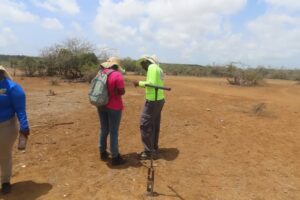
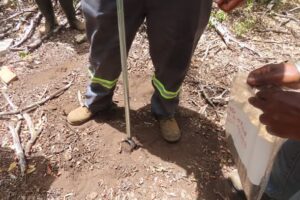
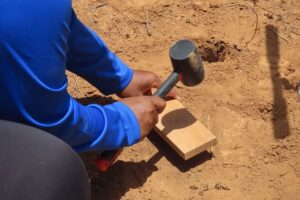
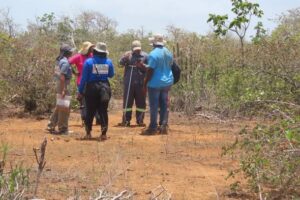
Soil engineers collect soil samples and carry out tests to determine the strength, composition and stability of the soil. They examine how soil responds to water, pressure and changes in the environment. Using this information, they advise construction teams on suitable foundations and ways to reduce problems such as soil erosion and ground instability.
These engineers play an important role in protecting public safety. Their work helps prevent structural problems caused by unsuitable ground conditions. They also contribute to land development by identifying potential risks and recommending ways to make construction projects safer and more reliable.
In conclusion, soil engineers help ensure that land is suitable for construction and development. Their work supports public safety, protects infrastructure and contributes to the responsible use of land and natural resources.
Sources: