Know the Facts….. Rainwater Harvesting
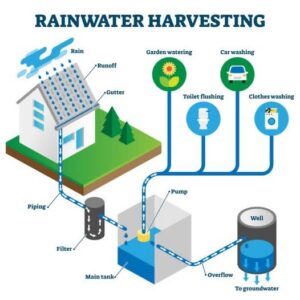 Rainwater harvesting is the process of collecting and storing rainwater for later use. The water is usually collected from rooftops and directed through gutter spouting into storage tanks, barrels or cisterns. This method is useful for homes, farms, schools and businesses.
One of the main benefits of rainwater harvesting is that it helps conserve water and reduce the amount of treated water used for everyday activities. Farmers can use collected rainwater to water crops, while households can use it for gardening, cleaning and other suitable purposes. In Antigua and Barbuda, where water conservation is important, rainwater harvesting can help communities manage their water supply, especially during dry periods.
Rainwater harvesting also helps reduce surface runoff, which can contribute to flooding and soil erosion. However, storage tanks should be properly covered and maintained to prevent mosquitoes and other contaminants from entering. Rainwater intended for drinking must be boiled or properly treated and tested to ensure it is safe.
In conclusion, rainwater harvesting is a simple and effective way to conserve water, support agriculture and protect the environment. By collecting and using rainwater wisely, we can help preserve this valuable resource for future generations.
Sources:
Food and Agriculture Organization of the United Nations (FAO): Water for Sustainable Food and Agriculture: https://www.fao.org/land-water/water/en/