KNOW THE FACTS….Annual and Perennial Plants
Plants are an important part of agriculture because they provide food, shade, medicine and other useful products. Plants can be grouped into different categories based on their life cycle. Two common groups are annual plants and perennial plants.
Annual Plants
Annual plants are plants that complete their life cycle within one growing season or one year. They grow from seeds, produce flowers and seeds, and then die. Farmers and gardeners often grow annual plants because they can provide crops within a relatively short period.
Examples of annual plants include corn, lettuce, beans, tomatoes and cucumbers. These plants are commonly grown for food and may need to be replanted after each growing season.
Perennial Plants
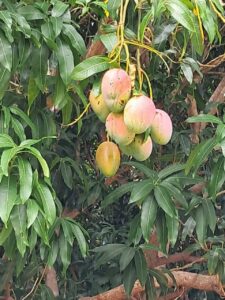
Perennial plants are plants that live for more than two years. Unlike annual plants, they continue growing and can produce leaves, flowers or fruits over several years. Some perennial plants may lose their leaves during certain seasons but grow again when conditions are suitable.
Examples of perennial plants include mango trees, coconut trees, avocado trees and banana plants. Perennial plants are useful to farmers because they can provide food for many years without needing to be replanted every season.
Differences Between Annual and Perennial Plants
The main difference between annual and perennial plants is how long they live. Annual plants complete their life cycle in one growing season, while perennial plants live for several years. Annual crops usually need to be replanted, whereas perennial plants can continue growing and producing over time. Both types of plants are important in agriculture and gardening.
Sources: