Chinese Technical Assistance Programme Conducts Farm Visits by Camellia Wallace Tonge
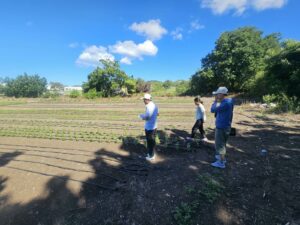
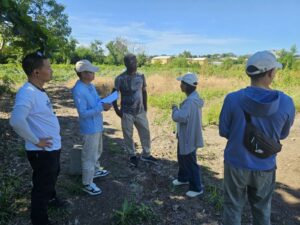
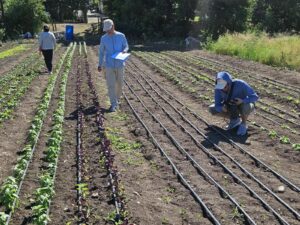
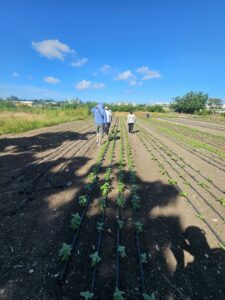 Representatives of the Chinese Technical Assistance Programme visited local farmers Itajah Simmons and Iton Henry on Wednesday, October 21, to assess crop development and discuss the challenges affecting their farm operations.
During the visits, the technical team examined growing conditions and spoke with the farmers about expected yields, crop health, irrigation and the resources needed to maintain production. The discussions also provided an opportunity to identify concerns such as pest activity, weather-related challenges and shortages of farming supplies.
The visits formed part of the program’s ongoing efforts to provide practical and technical support to local farmers. Information gathered during these assessments helps the technical team identify farmers’ needs and guide decisions on the provision of seeds, fertilizers and technical advice.
The three-year initiative aims to strengthen food security, improve agricultural production and build the capacity of farmers and local institutions in Antigua and Barbuda. It currently supports fiftrrn farmers across the country’s five agricultural districts.
The programme also works with three schools, Irene B. Williams Secondary School, Ottos Comprehensive School and Parham Primary School, aiming to introduce students to modern farming techniques and practices and encourage greater participation in agriculture.
Mr. Victor Wade/Programme Liaison Officer, coordinates activities between the Chinese technical team, the Ministry of Agriculture and participating farmers and schools. His responsibilities include facilitating farm visits, coordinating the distribution of agricultural inputs and addressing administrative matters.
Farm assessments will continue across the districts as the programme progresses, allowing the team to monitor developments on participating farms and identify areas where further support may be needed. The visits are part of the Ministry of Agriculture’s wider efforts to strengthen local food production and promote a more resilient agricultural sector.