KNOW THE FACTS…. Apiculture
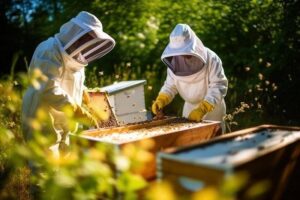 Apiculture, commonly known as beekeeping, is the practice of managing and maintaining honeybee colonies, primarily in artificial hives, to harvest honey and other hive products or for crop pollination. It is a centuries-old practice that bridges agriculture, environmental conservation, and economic development.
Why Apiculture Matters
Apiculture serves two critical purposes: economic production and ecological balance.
● Pollination: Honeybees are among the world’s most efficient pollinators. They fertilize a vast percentage of flowering plants, including one-third of the crops humans consume (such as fruits, vegetables, and nuts).
● Biodiversity: By sustaining plant reproduction, bees help maintain healthy ecosystems, support wildlife habitats, and protect global biodiversity.
The Dynamics of a Bee Colony
A healthy honeybee colony or Apiary is a highly organized, female-dominated society consisting of three distinct roles:
1. The Queen: The only fertile female in the hive. Her sole job is to lay eggs (up to 2,000 per day) to sustain the colony’s population.
2. The Workers: Infertile females that make up the vast majority of the hive. They perform all essential duties, including foraging for nectar and pollen, feeding larvae, building wax combs, and defending the hive.
3. The Drones: Fertile male bees whose exclusive purpose is to mate with a new queen. They do not work or forage, and they are typically expelled from the hive before winter.
Key Products of Apiculture
While honey is the most famous output, a well-managed hive yields several valuable products:
● Honey: A natural sweet substance produced from plant nectar, used globally as food and medicine.
● Beeswax: Secreted by worker bees to build combs; it is heavily used in cosmetics, candles, and pharmaceuticals.
● Propolis: A sticky resin collected from trees that bees use to seal hive cracks. It has potent antibacterial properties.
● Royal Jelly: A nutrient-rich secretion used to feed larvae and the queen, popular in health supplements.
● Bee Pollen: Packed with vitamins and protein, collected by bees and harvested as a health food.