KNOW THE FACTS…. Crop Rotation
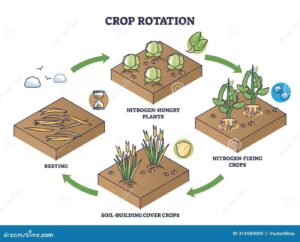 Crop rotation is an important farming practice that helps maintain healthy soil and improve crop production. It involves planting different types of crops on the same piece of land in a planned order over different growing seasons. Instead of growing the same crop in the same field year after year, farmers change the crops they plant to help protect the soil, replenish nutrient and reduce problems that can affect plant growth. During the rotation a portion of the farmland is left to rest or uncultivated.
For example, a farmer may plant corn in one season, followed by beans, and then vegetables in the next season. Different crops use different nutrients from the soil, and some, such as legumes, can help add nitrogen to the soil. Therefore, it is very important that a legume crop must be included in the rotation cycle.
Benefits of Crop Rotation
1. Improves Soil Fertility
Different crops require different amounts of nutrients to grow. Rotating crops helps manage the use of nutrients in the soil. Legumes, such as beans and peas, can also help add nitrogen to the soil through their relationship with certain soil bacteria. This can benefit crops planted afterward.
2. Helps Control Pests and Diseases
Growing the same crop repeatedly can allow certain pests and diseases to build up in the soil. Changing to a different crop can interrupt their life cycles and reduce the chance of them affecting the next crop.
3. Helps Control Weeds
Different crops grow in different ways and may require different methods of weed control. Rotating crops can make it harder for certain weeds to become established and spread throughout a field.
4. Improves Soil Health
Crop rotation can improve soil structure and support the organisms that live in the soil. Different crops have different root systems, which help use nutrients and water at different soil depths. Some crops can also contribute plant material that adds organic matter to the soil.
5. Supports Better Crop Production
Healthy soil and fewer pest and disease problems can help crops grow better. When properly planned, crop rotation can improve crop yields and support more reliable production over time.
6. Reduces Farming Costs and Risks
Crop rotation may reduce the need for some pesticides and other crop treatments. Growing different crops can also give farmers more than one source of produce to sell, helping reduce the risk of relying on a single crop.
How Farmers Can Practice Crop Rotation
Farmers should plan their crop rotations based on the needs of their land and the crops they intend to grow. They can alternate crops from different plant families and include legumes where suitable. Keeping records of what was planted in each field can also help farmers plan future planting seasons and manage pest and disease problems.