Biotechnology
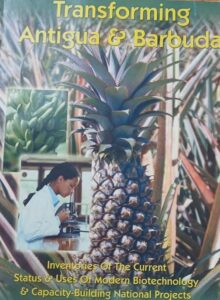 Biotechnology is the practice of using living organisms, biological systems, or their parts to develop products and solve every day human problems. While the word sounds highly modern, humans have actually used basic biotechnology for thousands of years.
The industry changed forever in the mid-20th century. Following the discovery of DNA’s structure in 1953, scientists learned how to precisely adjust genetic material. Today, modern biotechnology is split into several different fields that protect our health, food supply, and planet.
Key Areas of Application
1. Medicine (Red Biotechnology)
Medical biotechnology focuses on finding cures and creating safer treatments. Instead of sourcing medicines from animals, scientists modify simple cells to produce human-compatible treatments.
● Synthetic Insulin: Before the 1980s, people with diabetes relied on insulin taken from pigs, which caused allergic reactions. In 1978, scientists successfully engineered bacteria to produce exact copies of human insulin. It became the world’s first approved biotech drug in 1982.
● Advanced Vaccines: Biotechnology makes it possible to create faster, highly targeted vaccines, such as mRNA vaccines, which instruct our own immune systems how to fight off viruses.
2. Agriculture (Green Biotechnology)
Agricultural biotechnology focuses on securing the global food supply in the face of changing environments and pest threats.
● Resilient Crops: Scientists can introduce specific traits to plants to make them drought-resistant or insect-resistant. This allows farmers to grow more food using fewer chemical pesticides.
● Nutritional Enhancements: Foods like “Golden Rice” are bio-engineered to include vital nutrients like Vitamin A to combat severe malnutrition in developing nations.
3. Environment & Industry (White and Gray Biotechnology)
Industrial biotechnology looks to nature to clean up pollution and replace hazardous chemicals with eco-friendly alternatives.
● Bioremediation: This process uses natural microorganisms or customized enzymes to consume harmful contaminants. For example, certain bacteria can digest oil from toxic spills and turn it into harmless byproducts.
● Bio-based Materials: Biotech helps companies manufacture biodegradable plastics and alternative fuels (biofuels) using plant waste instead of fossil fuels.
The Balance of Progress and Ethics
Biotechnology offers immense benefits, but it also presents unique challenges. Altering genetic material introduces ethical questions regarding long-term safety, potential impacts on biodiversity, and the balance of natural ecosystems. For these reasons, global researchers and governments enforce strict safety laws to ensure new biological products are tested rigorously before they reach the public.
Sources: