Types of Soil found in Antigua and Barbuda
Types of Soil found in Antigua and Barbuda
What is Soil?
Soil is the natural medium for the growth of plants. Soil has also been defined as a natural body consisting of layers (soil horizons) that are composed of weathered mineral materials, organic material, air and water.
Antigua and Barbuda features three distinct regional soil profiles categorized by the FAO and local agricultural divisions: lime-rich soils in the north, clay-heavy and marl soils in the central plains, and volcanic soils with high infiltration rates in the southwest.
Soil Zones in Antigua
❖ Northern Limestone Region: Features shallow soils overlying hard and soft limestone, including marl and pockets of powdery “rock flour”. These soils are well-drained but thin.
❖ Central Clay Belt (Central Plain): Consists of a flat plain of heavy marl and clay derived from volcanic detritus. This heavy clay retains water poorly during droughts and can bake hard, limiting intensive crop production.
❖ Southern Volcanic Region: Features shallow, more rugged soils weathered from volcanic rocks and tuffs in the mountainous southwest.
Soil Series in Barbuda
❖ Barbuda Series: Found over the hard limestone of the highland areas, composed of reddish kaolinitic clay loam.
❖ Blackmere Series: Found at lower elevations consisting of brown clay loam.
❖ Codrington Series: Consists of dark-colored clay, alongside developing sandy soils on beaches and dunes.
Soil Types by Region in Antigua
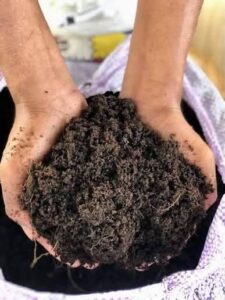
● Clay Soils: Found in the central marl/clay plain, these heavy, clay-rich soils can be hard to work with but offer good fertility due to volcanic weathering.
● Sandy Soils: Common in coastal areas, and near beaches where limestone parent materials have weathered into lighter, sandier textures.
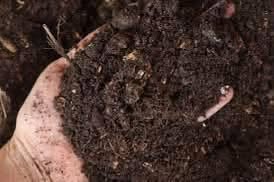
● Loam Soils: Various transitions, including clay loams and lighter loamy textures, occur across the island where limestone, and organic components mix.
Crop Suitability by Soil Region
Selecting the right crops for Antigua and Barbuda’s soils optimizes yields and manages water limitations.
Soil Region
Soil Traits
Crop Suitability
Agricultural Challenges
Northern Region
Calciferous, lime-rich, shallow, and highly alkaline.
Root crops (sweet potatoes, yams), onions, and drought-resistant crops.
Rapid drying and nutrient lock-up .
Central Plains
Clay-heavy, marl-based, nutrient-dense, and highly compactable.
Cotton, sugarcane (historically) and deep-rooting summer vegetables.
Drainage issues, waterlogging during heavy rains, and hard cracking during droughts.
Southwestern Region
Rich, volcanic loams with excellent natural drainage and infiltration.
Tree fruits (mangoes, citrus, Antigua Black Pineapple), tree crops, and high-value vegetables.
High risk of erosion along steep, mountainous gradients.
Local Soil Conservation Methods
With erratic rainfall patterns and intense hurricane seasons, local agricultural authorities place extreme emphasis on climate-smart field practices.
● Contour Farming and Bunding: Farmers rely on A-frames to map precise contours across sloped land. They build contour bunds (compacted ridges of soil and stone) and contour drains to slow down surface runoff and to prevent topsoil erosion.
● Cover Cropping and Mulching: Legumes and dense groundcovers are planted between primary crop rows. This practice protects vulnerable soil surfaces from intense tropical sun and wind erosion while retaining vital ground moisture.
FAO (Food and Agriculture Organization of the United Nations)