Sweet and Seasoning Peppers
Sweet and Seasoning Peppers
Peppers are a big part of Caribbean cooking. From adding colour to a salad to giving a pot of food that interesting look, peppers are used in many of our favourite dishes.
There are many different types of peppers around the world. Some are sweet and mild, while others are hot and full of flavour.
Sweet peppers
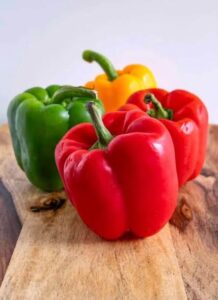
Sweet peppers are known for their mild taste and bright colours. They are commonly found in green, red, yellow and orange varieties.
Some common types include:
● Bell peppers – Large, mild peppers that are often used in stir-fries and cooked dishes.
● Red bell peppers – Sweeter and usually more mature than green bell peppers.
● Yellow peppers – Mild and slightly sweet, with a bright yellow colour.
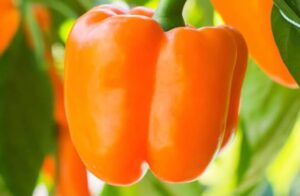
● Orange peppers – Sweet, colourful and crunchy, making them great for cooked meals.
Seasoning peppers
Seasoning peppers are especially important in Caribbean cooking. They may be small, but they can add plenty of flavour to a meal.
Example of Seasoning Peppers include:
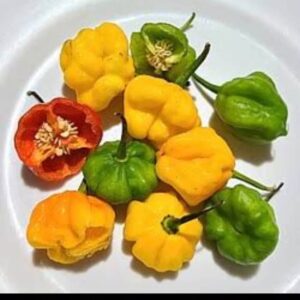
● Scotch bonnet – A popular Caribbean pepper known for its strong flavour and heat. It is commonly used in sauces, stews, soups and marinades.
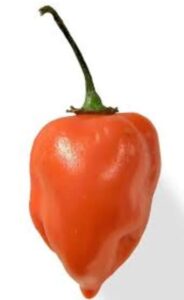
● Habanero – Similar in shape to the Scotch bonnet and also known for being very hot. It is often used to add heat and flavour to sauces and dishes.
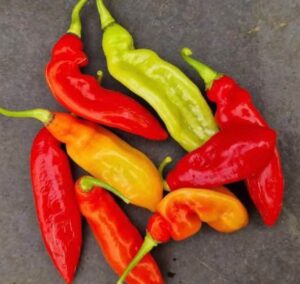
● Pimento peppers – These are generally milder and are valued for their flavour. They can be used in cooking, sauces and other dishes.
Peppers in Antigua and Barbuda
Peppers are an important part of vegetable production in Antigua and Barbuda. They are grown by local farmers and can be found in markets around the country. Sweet peppers are useful for adding colour and flavour to everyday meals, while seasoning peppers are often used as part of the base for soups, stews, sauces and other Caribbean dishes.
Sweet peppers can be eaten fresh or cooked, while seasoning peppers can be used fresh, dried, blended or made into sauces.
You can use peppers in:
● Soups
● Stews
● Rice dishes
● Pepper sauces
● Sandwiches and wraps
Sources: Food and Agriculture Organization (FAO), Wikipedia