Know the Facts Pumpkin
Know the Facts
Pumpkin
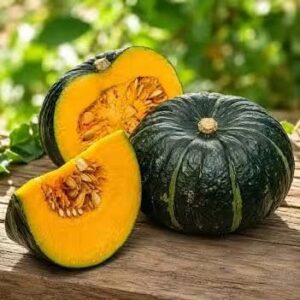
More Than Just a Halloween Decoration!
When you hear the word Pumpkin, what comes to mind? A warm bowl of pumpkin soup? Pumpkin fritters? A delicious side dish? Or perhaps those famous orange pumpkins seen around Halloween?
Here in the Caribbean, pumpkin is much more than a seasonal decoration. It is a versatile food crop, an important ingredient in local cuisine, and a valuable part of our agricultural landscape.
What exactly is a pumpkin?
Pumpkin belongs to the Cucurbitaceae family, the same plant family that includes cucumbers, watermelons, melons, squash and gourds.
The word “pumpkin” is commonly used for several types of winter squash, particularly varieties belonging to the genus Cucurbita. Depending on the variety, pumpkins can range in colour from green and yellow to orange, cream and even striped, while their shapes and sizes can vary considerably.
And here’s something interesting: not every pumpkin is round and orange!
A Caribbean kitchen favourite
Pumpkin has earned a special place in Caribbean cooking. It can be boiled, steamed, roasted, mashed, blended or incorporated into a variety of dishes.
In Antigua and Barbuda and throughout the Caribbean, pumpkin can find its way into:
● Soups and stews
● Dumplings
● Rice and other savoury dishes
● Pies and baked products
● Breads and other baked goods
● Porridges and purées
Its slightly sweet, earthy flavour makes it useful in both sweet and savoury recipes.
From the field to the table
Pumpkin is also an interesting crop from an agricultural perspective.
The plant produces large leaves, sprawling vines and distinctive flowers, with the female flowers eventually developing into the pumpkin fruit. Bees and other pollinators play an important role in helping pumpkin plants produce fruit.
This means that pumpkin production is connected to a much bigger story, healthy crops depend on healthy pollinator populations.
Don’t forget the flowers!
Did you know that pumpkin flowers are edible?
In different cultures, pumpkin and squash blossoms are incorporated into meals. The flowers are also an important source of nectar and pollen for bees and other pollinating insects.
So when you see pumpkin flowering in a garden or field, there is more happening than meets the eye!
Pumpkin seeds have value too
The pumpkin itself isn’t the only useful part of the plant.
Pumpkin seeds can be eaten and are valued as a source of nutrients, including protein, healthy fats and minerals. Seeds can also be saved from suitable plants for future planting, although farmers should select seed from healthy plants and use varieties appropriate for their production goals.
Why pumpkin matters for local agriculture
Growing crops such as pumpkin locally can contribute to food availability, farmer income and agricultural diversification.
For home gardeners and farmers, pumpkin can be incorporated into mixed cropping systems, provided that adequate space is available for its vigorous vines. Good soil preparation, water management, pest and disease monitoring, and pollination are all important for successful production.
And because pumpkin vines can spread considerably, giving them enough room to grow is key!
More than a pumpkin
Pumpkin reminds us that agriculture isn’t just about producing food, it’s also about culture, tradition, nutrition, livelihoods and opportunities for innovation.
From a backyard garden to a commercial farm, this humble crop has a lot to offer.
So the next time you cut into a pumpkin, remember: you’re looking at much more than just a vegetable. You’re looking at a crop with culinary, nutritional and agricultural value, right from the field to the table.
Know your crops. Support local agriculture. Grow what we can. Eat what we grow.
#KnowTheFacts #Pumpkin #AntiguaAndBarbuda #LocalAgriculture #CaribbeanAgriculture #FoodSecurity #FarmToTable #SupportLocalFarmers #Agriculture #MinistryOfAgriculture
Source: Food and Agriculture Organization of the United Nations (FAO), U.S. Department of Agriculture (USDA), and Caribbean agricultural resources.